New Retail Developments: Trends, Benefits, and Real-World Examples Shaping the Future of Shopping
The retail industry is undergoing a transformative shift, driven by evolving consumer expectations, technological integration, and the blending of physical and digital shopping experiences. New retail developments are no longer just about creating spaces for commerce; they are about building environments where shopping, lifestyle, and community converge.
For businesses, investors, and consumers alike, these new developments represent the future of retail. They are strategically designed to attract foot traffic, support brand visibility, and provide memorable experiences. In this article, we will explore what new retail developments mean, the benefits they bring, and real-world examples that showcase their impact.
What Defines New Retail Developments
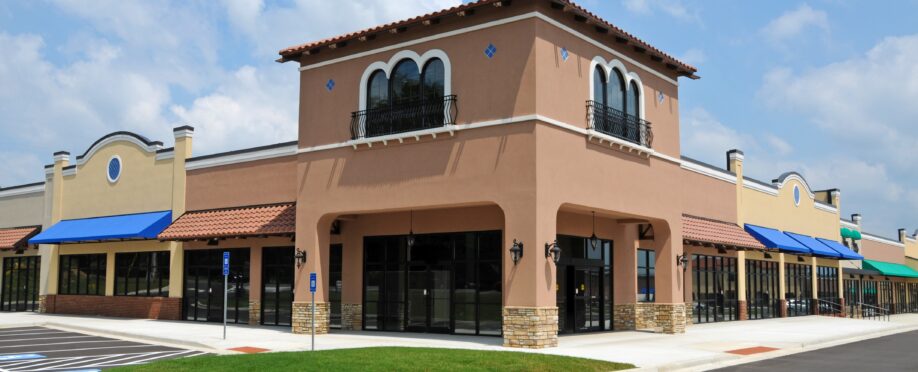
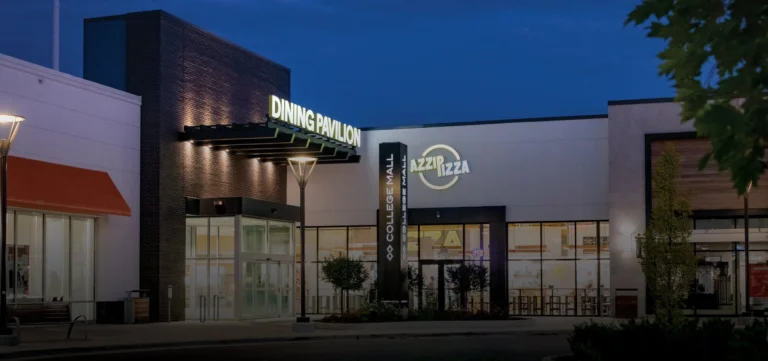
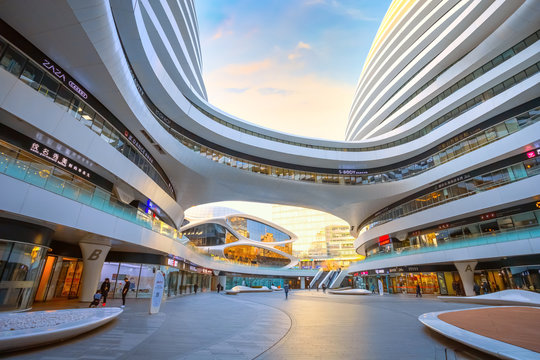
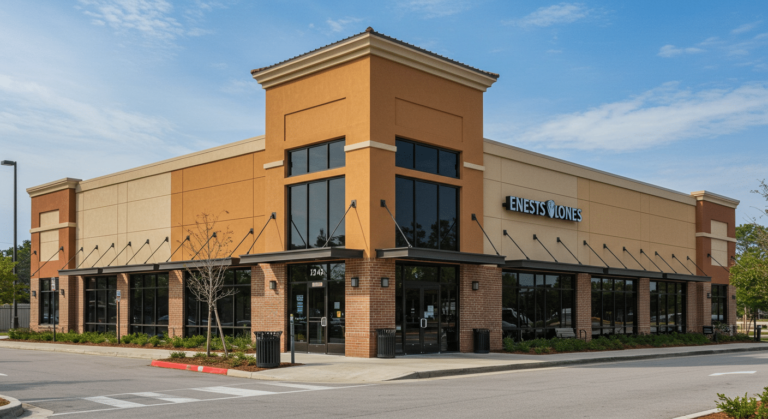
New retail developments are commercial real estate projects that go beyond traditional shopping centers. They integrate mixed-use concepts, sustainability, technology, and customer-centric design. These spaces serve as more than retail hubs; they become destinations for dining, entertainment, work, and community engagement.
Developers are increasingly focusing on creating flexible spaces that adapt to new tenant needs, consumer habits, and environmental concerns. This has led to the rise of lifestyle centers, open-air malls, and mixed-use developments that align with modern urban planning.
Benefits of New Retail Developments
Enhanced Customer Experience
Modern retail developments prioritize the customer journey. With curated tenant mixes, interactive store designs, and leisure amenities, they create experiences that go beyond simple transactions. This focus ensures that shoppers view these centers as destinations rather than necessities.
Integration of Technology

Technology is embedded into new retail developments, from smart parking systems and digital wayfinding to data-driven tenant placement. This integration improves efficiency for both retailers and customers, making shopping seamless and engaging.
Sustainability and Eco-Design
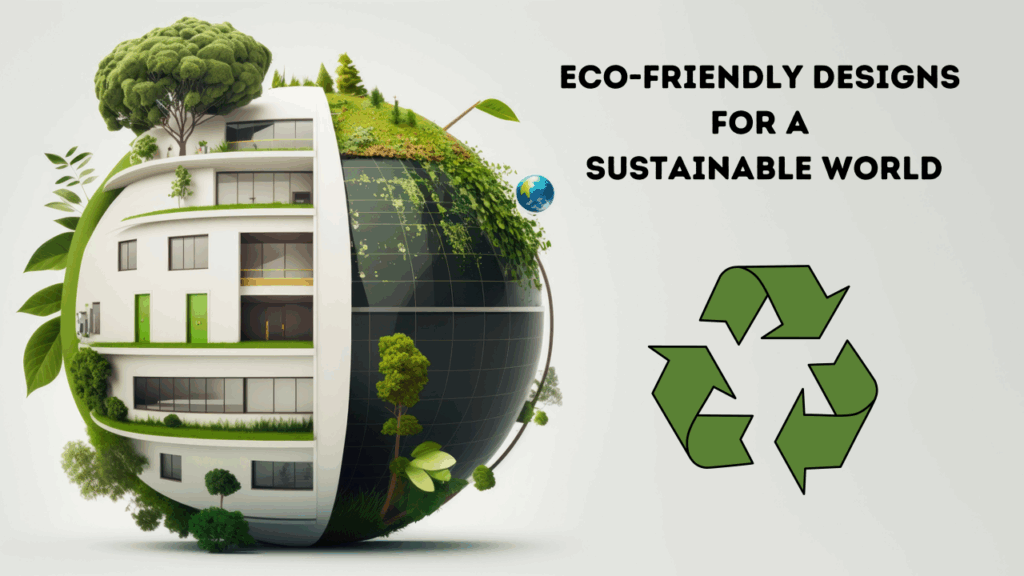
Green building practices are central to contemporary retail projects. Developments incorporate energy-efficient lighting, water conservation systems, and sustainable construction materials. This benefits tenants by aligning their businesses with consumer demand for environmentally responsible practices.
Community Building
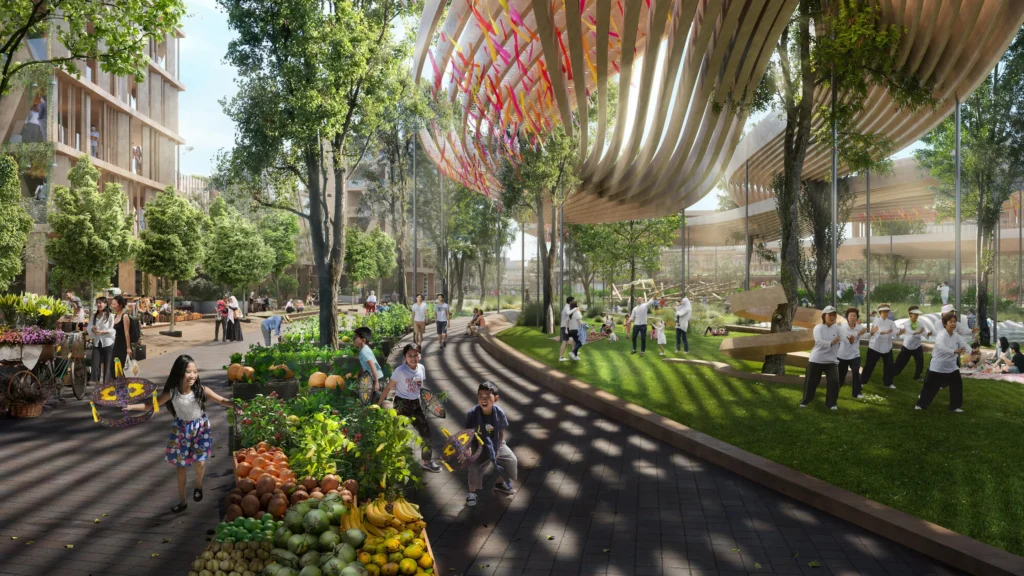
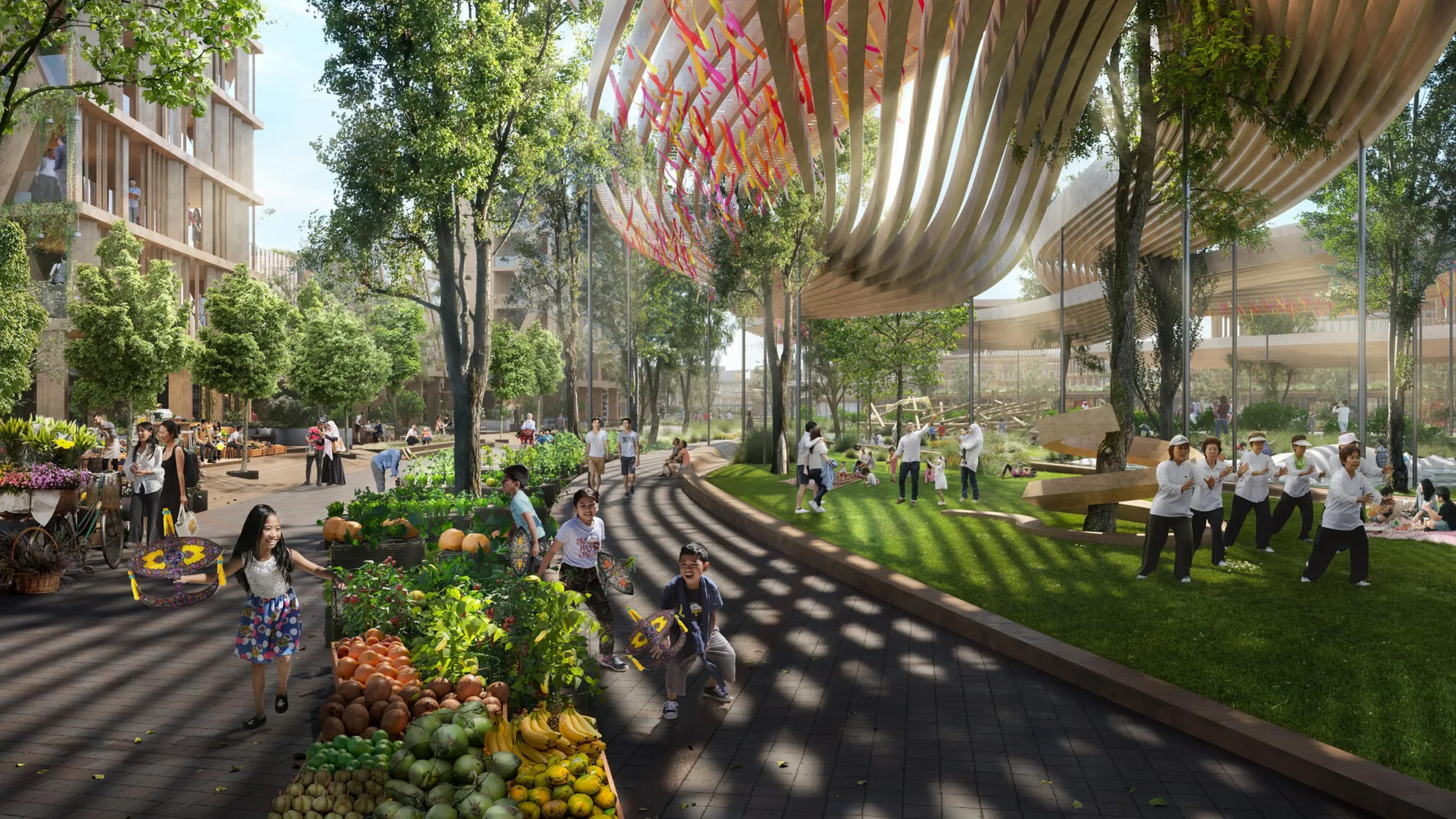
Unlike older retail spaces that were purely transactional, new retail developments are designed as community anchors. They include parks, cultural spaces, and gathering areas where people connect. This approach boosts long-term relevance and loyalty.
The Role of Technology in New Retail Developments
Technology is redefining how retail developments function.
- Smart Data Insights: Developers and tenants use analytics to understand traffic flow, customer demographics, and purchasing patterns, allowing for optimized layouts and tenant mixes.
- Digital Engagement: Retail centers are equipped with apps and platforms that connect shoppers with stores, promotions, and events in real-time.
- Omnichannel Integration: Retailers within these spaces can offer click-and-collect, mobile payments, and online-to-offline services, bridging the gap between digital and physical retail.
- Sustainable Technologies: Smart HVAC systems, solar panels, and waste reduction innovations reduce operating costs and environmental impact.
These technologies not only make retail spaces more efficient but also more attractive to consumers who value convenience and innovation.
Real-World Examples of New Retail Developments
Hudson Yards, New York City
Hudson Yards is one of the most ambitious mixed-use developments in the U.S. Combining retail, residential, office, and cultural spaces, it represents the future of urban retail environments. The Shops at Hudson Yards feature luxury brands, experiential stores, and diverse dining options.
Its success highlights how retail can be seamlessly integrated with lifestyle and workspaces, creating a holistic destination that attracts locals and tourists alike.
Irvine Spectrum Center, California
The Irvine Spectrum Center is a model of how retail developments can combine entertainment, shopping, and community engagement. With attractions such as a giant Ferris wheel, movie theaters, and an open-air plaza, it provides an immersive experience.
Retailers benefit from the constant flow of visitors who come not only to shop but to spend time in a vibrant and dynamic environment. This showcases how retail developments can serve as regional landmarks.
Westfield London, United Kingdom
As one of Europe’s largest urban shopping centers, Westfield London demonstrates the scale and innovation of new retail developments. It integrates luxury retail, fast fashion, technology stores, and extensive dining options under one roof.
The development also emphasizes digital engagement with shoppers through apps, personalized promotions, and seamless navigation, making it a hub for modern retail innovation.
Dubai Mall, United Arab Emirates
Dubai Mall is not just a retail destination; it is a global attraction. Beyond its 1,200 shops, it includes an aquarium, ice rink, and entertainment zones. This multi-dimensional approach creates unparalleled experiences that attract millions annually.
Its scale and design demonstrate how retail can be a central pillar of tourism, economic growth, and cultural exchange in global cities.
King of Prussia Mall, Pennsylvania Prussia Mall has evolved over the decades into a premier retail development. It combines luxury retailers with accessible brands, entertainment, and dining. Its continuous reinvestment in design and tenant mix ensures it remains competitive in an evolving market.
This example shows how retail developments must adapt to changing consumer preferences while maintaining their role as regional shopping anchors.
Use Cases: How New Retail Developments Solve Problems
Revitalizing Urban Areas
New retail developments often breathe life into underutilized urban areas. By combining retail with residential and office spaces, they create vibrant districts that attract both businesses and residents.
Supporting Omnichannel Retail
With physical and digital shopping merging, new developments provide infrastructure for omnichannel strategies. Click-and-collect points, last-mile delivery hubs, and tech-enabled stores help retailers meet modern consumer expectations.
Strengthening Community Identity
Developments designed with cultural spaces, parks, and local retail create a sense of place. They become focal points for community gatherings, supporting both economic and social sustainability.
Driving Economic Growth
Large-scale retail projects generate jobs, tourism, and tax revenue. Their impact goes beyond shopping, supporting hospitality, transportation, and broader urban growth.
Practical Benefits of New Retail Developments
- Increased Foot Traffic: Strategic locations and entertainment features draw consistent visitors.
- Retailer Success: Optimized tenant mixes and technology-driven insights support profitability.
- Customer Loyalty: Experiences and community connections foster long-term customer relationships.
- Sustainability: Eco-friendly design reduces operational costs and aligns with modern values.
- Resilience: Flexibility and innovation help developments withstand economic shifts and retail trends.
Frequently Asked Questions
1. What makes new retail developments different from traditional malls?
New retail developments focus on mixed-use spaces, technology integration, sustainability, and community engagement. Unlike traditional malls, they are designed as destinations offering experiences beyond shopping.
2. How do new retail developments attract tenants?
They attract tenants by offering prime locations, modern infrastructure, customer insights, and built-in traffic from diverse uses such as dining, entertainment, and residential spaces. This combination ensures profitability and long-term stability.
3. Are new retail developments sustainable?
Yes. Many projects prioritize green building certifications, energy-efficient systems, and eco-friendly practices. Sustainability is increasingly a central component of design and operations, appealing to both tenants and environmentally conscious consumers.