Retail Leasing Agent: Complete Guide, Benefits, and Real-World Examples
A retail leasing agent plays a critical role in connecting property owners with suitable tenants in the commercial real estate sector. These professionals serve as the bridge between landlords and businesses, ensuring retail spaces are leased effectively and generate maximum value. Understanding what retail leasing agents do, their responsibilities, and how they leverage technology is essential for both property investors and business owners.
This article provides an in-depth guide to retail leasing agents, covering their importance, real-world examples, technology-driven benefits, and practical use cases.
What is a Retail Leasing Agent?

A retail leasing agent is a licensed real estate professional who specializes in renting out commercial properties, particularly those used for retail businesses such as shopping malls, storefronts, and strip centers. Their expertise lies in marketing vacant spaces, negotiating lease terms, and aligning tenants with the right property based on location, demographics, and business strategy.
In essence, a retail leasing agent ensures that a retail property remains profitable and sustainable. They analyze foot traffic, market trends, and tenant compatibility to create leasing agreements that benefit both property owners and tenants. Their work directly influences the success of retail developments in highly competitive markets.
Core Responsibilities of a Retail Leasing Agent
Tenant Prospecting and Matchmaking

One of the primary duties of a retail leasing agent is to attract and identify potential tenants. This involves researching businesses that align with the property’s brand identity and market. For instance, placing a luxury boutique in a high-income area makes more sense than situating it in a budget-driven shopping district.
They evaluate tenant fit based on industry type, customer demand, and competition within the property. This matchmaking process ensures long-term success for both the tenant and landlord.
Lease Negotiation and Agreements
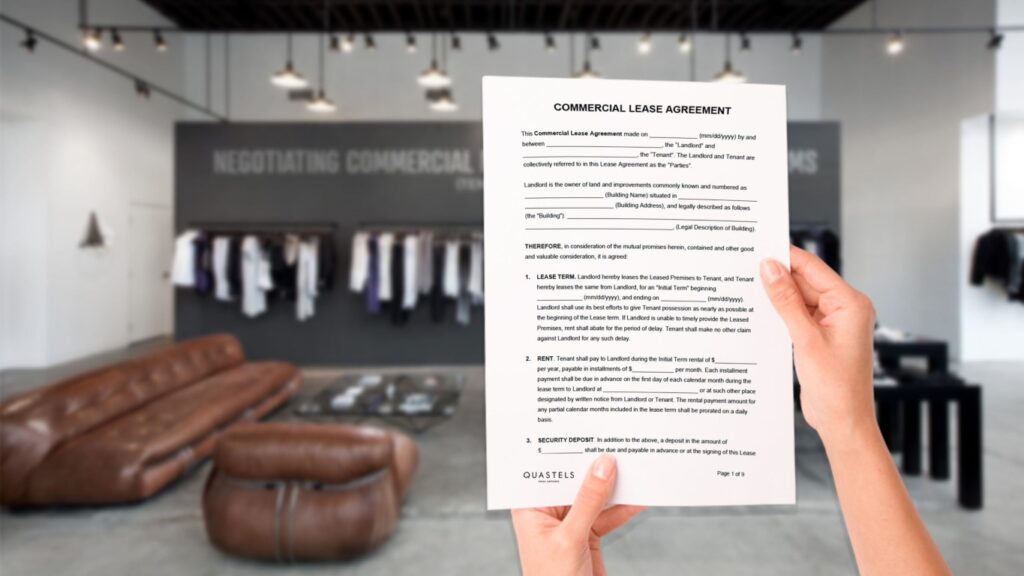
Retail leasing agents are skilled negotiators. They balance landlord objectives with tenant needs to create mutually beneficial agreements. This includes rental rates, lease duration, renewal options, and build-out allowances. By guiding both parties, agents reduce the risks of disputes and vacancy.
Their knowledge of legal and market standards ensures that lease agreements are compliant, competitive, and attractive to quality tenants.
How Technology is Transforming Retail Leasing
The retail leasing sector is evolving rapidly with the integration of advanced technology. Modern retail leasing agents use digital platforms, data analytics, and AI-driven insights to improve their efficiency.
Digital Property Listings and Virtual Tours
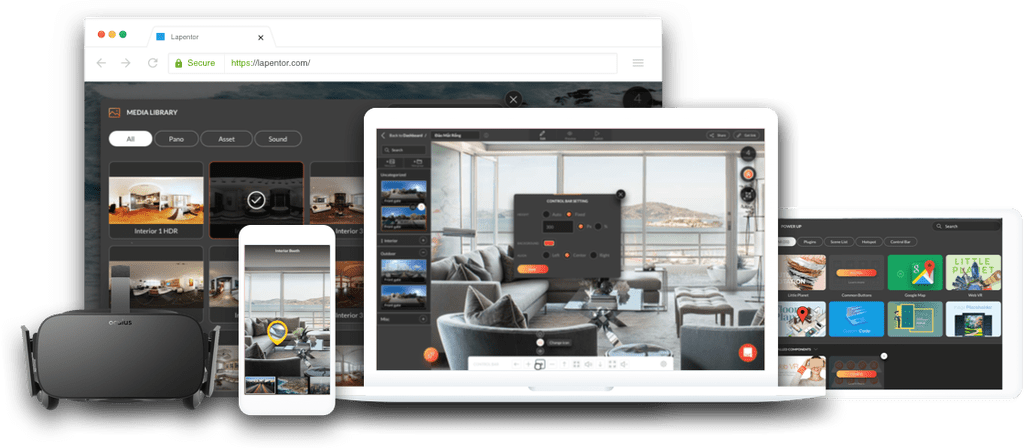
Virtual tour platforms allow retail leasing agents to showcase available spaces without requiring physical visits. Prospective tenants can explore floor plans, layouts, and even simulate customer foot traffic. This technology saves time, reduces travel costs, and widens the pool of potential tenants.
For example, software like Matterport enables 3D walkthroughs, giving businesses a realistic view of the space before committing to in-person tours. This innovation accelerates decision-making in a highly competitive leasing environment.
Data-Driven Market Analysis
Retail leasing agents rely heavily on market intelligence. Tools like CoStar and LoopNet provide real-time data on rental rates, occupancy levels, and demographic trends. By leveraging analytics, agents can position properties more effectively, identify emerging business categories, and recommend optimal rental prices.
This technological edge ensures landlords remain competitive and tenants secure spaces that align with their customer base.
Real-World Examples of Retail Leasing Solutions
Example 1: Matterport Virtual Tour Software
Matterport has revolutionized how retail leasing agents market spaces. With 3D imaging, agents can create immersive property tours that highlight design features, layouts, and potential modifications. A clothing brand looking to open a new store can virtually walk through multiple spaces before choosing the one that best fits its customer experience goals.
This reduces time spent on unnecessary site visits and gives businesses confidence in their leasing decisions.
Example 2: CoStar Market Analytics
CoStar is one of the leading commercial real estate data providers. Retail leasing agents use it to analyze tenant demand, competitor activity, and rental benchmarks. For example, if a landlord owns property in an area experiencing a surge in fast-casual dining, CoStar can identify potential tenants in that category, increasing leasing success rates.
By relying on hard data, agents can create evidence-based proposals for landlords and tenants, making negotiations more transparent.
Example 3: LoopNet Commercial Listings
LoopNet provides retail leasing agents with a massive digital marketplace for commercial properties. Agents list properties with detailed descriptions, high-resolution images, and contact details, reaching a global audience of businesses seeking retail spaces.
A small coffee shop franchise, for example, can search LoopNet for spaces that match its footprint and demographic requirements. This accessibility ensures properties gain maximum visibility in minimal time.
Example 4: CRM Systems for Leasing Agents
Customer Relationship Management (CRM) systems like Salesforce or HubSpot help leasing agents track tenant inquiries, follow-ups, and deal progress. These tools streamline communication and prevent missed opportunities.
For instance, an agent managing multiple mall properties can organize potential tenants based on industry type and leasing cycle, ensuring efficient communication and successful conversions.
Benefits of Retail Leasing Agents
Maximizing Property Value
A skilled retail leasing agent ensures that every square foot of space is utilized profitably. By strategically placing tenants, they can enhance the overall attractiveness of a retail property, driving more foot traffic and increasing revenue for all tenants.
Reducing Vacancy Rates
Vacant retail spaces are costly for landlords. Leasing agents actively market properties, screen tenants, and close deals faster, minimizing downtime between leases. Their network and expertise reduce the risks of long-term vacancies.
Professional Negotiation Skills
Lease negotiations are complex and require balance. Retail leasing agents bring expertise in structuring terms that protect landlords while offering flexibility to tenants. Their experience ensures smoother deals with fewer conflicts.
Access to Market Insights
Through technology and industry connections, leasing agents provide valuable insights on market trends, rental benchmarks, and tenant demand. This intelligence allows landlords to stay ahead in competitive markets.
Use Cases of Retail Leasing Agents in Real Life
Shopping Mall Expansion
When a shopping mall undergoes expansion, a retail leasing agent curates a tenant mix that complements existing stores. By analyzing customer demographics, they attract tenants that fill market gaps, such as introducing entertainment zones or popular dining options.
Revitalizing Downtown Areas
Cities often engage retail leasing agents to attract businesses to underutilized downtown spaces. Agents strategically bring in cafes, boutiques, and service providers, revitalizing foot traffic and boosting local economies.
Franchise Expansion Strategy
Franchises rely on leasing agents to secure optimal retail locations for new branches. By analyzing traffic flow, competition, and rental affordability, agents help brands like fitness studios or fast-food chains grow sustainably.
Managing Multi-Tenant Complexes
In strip centers or plazas, retail leasing agents ensure a healthy mix of tenants that avoid cannibalization. For example, instead of leasing to two identical coffee shops, they may place a bakery, pharmacy, and salon to diversify offerings and increase customer visits.
Frequently Asked Questions
1. What qualifications are required to become a retail leasing agent?
A retail leasing agent typically needs a real estate license, strong negotiation skills, and knowledge of commercial property markets. Many also have backgrounds in sales, marketing, or business development.
2. How do retail leasing agents differ from commercial real estate brokers?
While both work in commercial real estate, leasing agents specialize in securing tenants for retail properties, focusing on long-term occupancy and tenant fit. Brokers, on the other hand, may also handle property sales and broader investment transactions.
3. Why should landlords hire a retail leasing agent instead of leasing directly?
Landlords benefit from leasing agents’ expertise in market analysis, tenant screening, and negotiation. Agents minimize risks of vacancy, secure quality tenants, and help maximize property profitability through strategic leasing strategies.