Retail Real Estate Investing: Complete Guide, Benefits, and Real-World Examples
Retail real estate investing has been a cornerstone of commercial property ownership for decades. From bustling shopping centers to standalone storefronts, retail spaces offer investors opportunities to generate consistent cash flow and long-term appreciation. Despite shifts in consumer behavior and the rise of e-commerce, retail real estate remains a vital part of investment portfolios, particularly when combined with innovative leasing strategies and technology.
This article dives deep into the fundamentals of retail real estate investing, its advantages, real-world examples, the role of technology, and practical use cases for investors and landlords.
What is Retail Real Estate Investing?
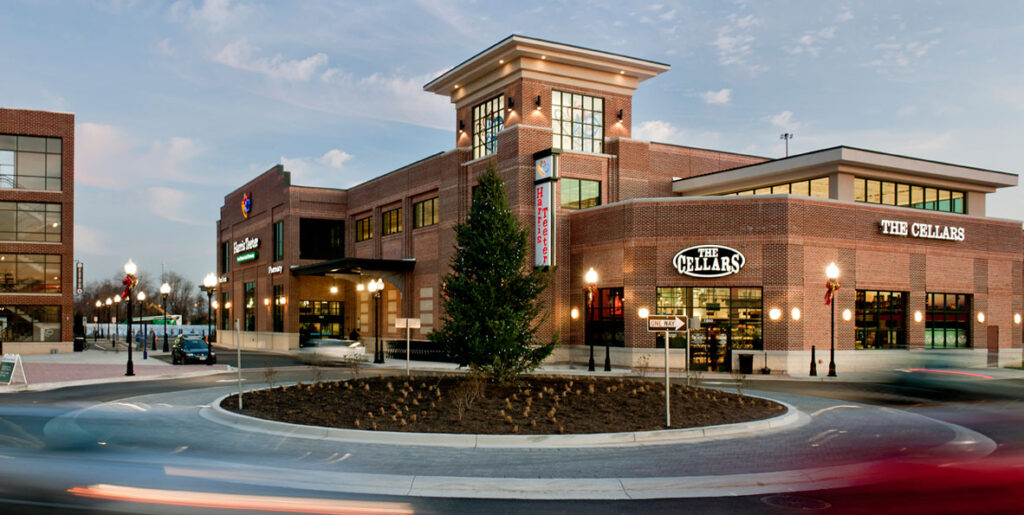
Retail real estate investing refers to acquiring, managing, and profiting from properties designed for retail businesses. These include shopping malls, strip centers, restaurants, convenience stores, and big-box retail spaces. Investors earn income primarily from tenant leases, along with potential appreciation of the property’s value over time.
The attractiveness of retail real estate lies in its dual revenue potential: steady cash flow from rent and long-term wealth building through property appreciation. The performance of retail investments is closely tied to location, tenant quality, and broader economic trends.
Types of Retail Real Estate Investments
Shopping Centers and Malls

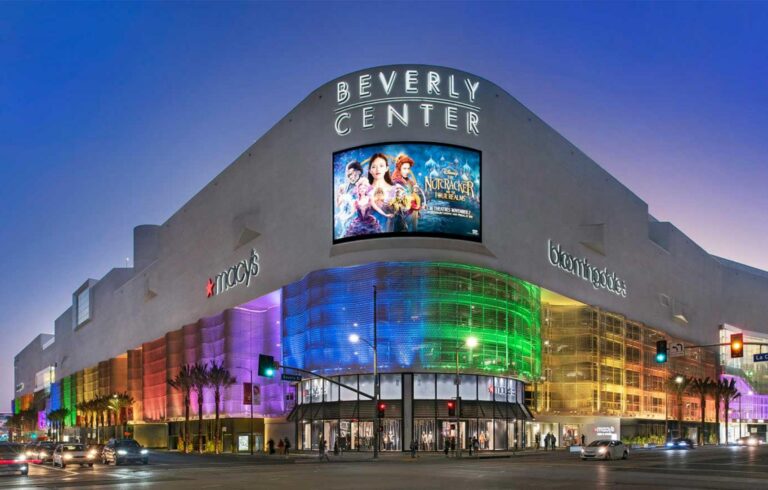
Large shopping centers and malls offer diverse opportunities, housing multiple tenants under one roof. Investors benefit from a mix of retail, dining, and entertainment tenants, which drive steady foot traffic. While malls have faced challenges due to online shopping, many are adapting by integrating experiential retail, gyms, and dining hubs.
For investors, these properties provide scale and stability, particularly when anchored by well-known brands that draw consistent visitors.
Strip Centers and Small Retail Plazas
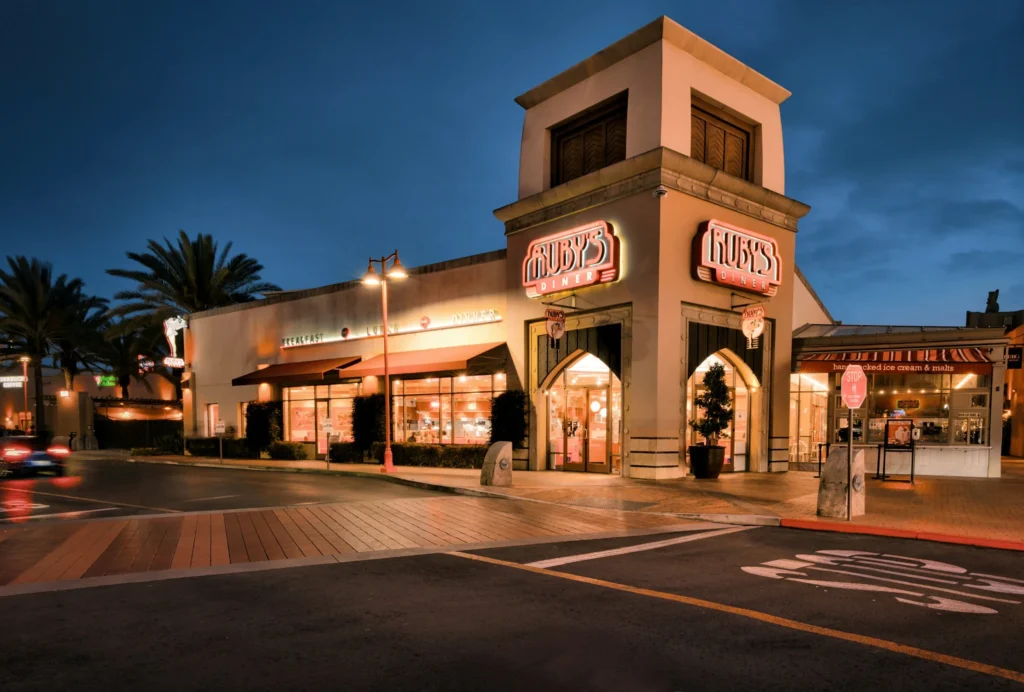
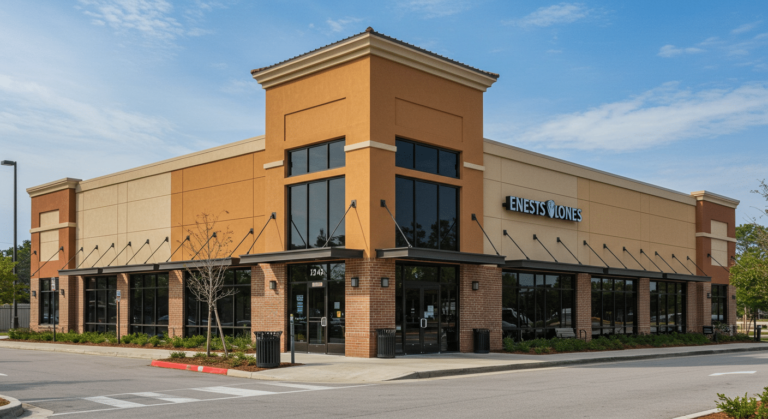
Strip centers are smaller retail complexes typically located near residential areas. They often host convenience stores, salons, cafes, and local service providers. These properties tend to be more resilient during economic downturns because they cater to essential daily needs.
For investors, strip centers offer lower entry costs compared to malls and often deliver stable occupancy rates thanks to their neighborhood-focused tenants.
Standalone Retail Properties

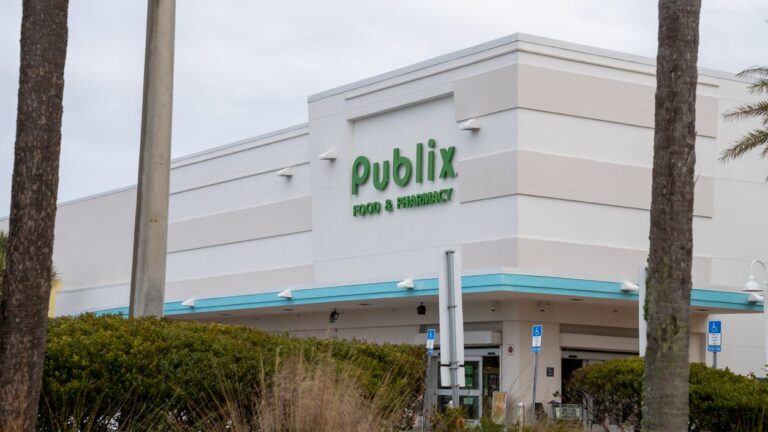
Standalone properties, such as quick-service restaurants or pharmacies, are another popular investment category. These buildings are usually leased to a single tenant on a long-term basis, often under triple net leases (NNN). This structure shifts most operating costs, such as taxes and maintenance, to the tenant, providing investors with predictable income.
Such investments are highly attractive to those seeking lower risk and fewer management responsibilities.
How Technology is Transforming Retail Real Estate Investing
Technology is reshaping the way investors analyze, manage, and maximize returns on retail properties. Digital tools allow for better decision-making and increased efficiency.
Data Analytics and Market Insights
Advanced platforms such as CoStar and REIS provide investors with real-time data on rental rates, demographic shifts, and retail demand. By using predictive analytics, investors can anticipate consumer trends, identify emerging markets, and make informed decisions about where to buy or lease.
For example, if analytics show a surge in health-conscious consumers in a neighborhood, investors may seek tenants like organic grocery stores or fitness retailers, ensuring sustainable occupancy.
Virtual Tours and Leasing Platforms
Virtual property tours allow potential tenants to explore spaces remotely, reducing leasing timelines and widening exposure. Platforms like Matterport make it easier for landlords to market their spaces effectively. This not only enhances tenant acquisition but also reduces vacancies.
By adopting virtual tours, investors can attract high-quality tenants quickly, increasing their properties’ profitability.
Smart Building Technology
IoT (Internet of Things) and smart building systems optimize energy efficiency, security, and maintenance. For retail investors, smart technology reduces operating costs while providing a better tenant experience.
For example, automated HVAC systems can lower energy costs, while smart security improves safety, making the property more attractive to tenants.
Real-World Examples of Retail Real Estate Investment Solutions
Example 1: Simon Property Group (SPG)
Simon Property Group is one of the largest retail real estate investment trusts (REITs) in the world. It owns and operates malls, outlet centers, and lifestyle properties across multiple countries. By continuously adapting properties to consumer trends—such as adding dining and entertainment options—Simon demonstrates how large-scale retail investments can remain profitable even in a shifting retail landscape.
Investors looking at SPG gain insights into how diversification and property upgrades can sustain long-term profitability.
Example 2: Kimco Realty
Kimco Realty focuses primarily on neighborhood and community shopping centers anchored by grocery stores. These properties are highly resilient since grocery shopping is considered essential, making them less vulnerable to e-commerce disruption.
For investors, Kimco illustrates the importance of targeting retail properties that serve everyday needs, offering stability during both economic booms and downturns.
Example 3: Realty Income Corporation
Known as “The Monthly Dividend Company,” Realty Income invests heavily in standalone retail properties with long-term NNN leases. Their portfolio includes well-known tenants such as pharmacies, convenience stores, and quick-service restaurants.
This example highlights how single-tenant properties can deliver predictable, low-maintenance cash flow for investors. Realty Income has become a benchmark for stability in retail investing.
Example 4: Urban Mixed-Use Developments
Beyond traditional retail centers, many investors are turning to mixed-use developments that combine retail, office, and residential units. These properties create self-sustaining ecosystems where tenants benefit from built-in customers living nearby.
For instance, retail stores on the ground floor of a mixed-use building enjoy consistent foot traffic from residents, while investors benefit from diversified income streams.
Benefits of Retail Real Estate Investing
Steady Income Stream
Retail properties, especially those leased under long-term agreements, provide reliable monthly rental income. This steady cash flow is one of the biggest attractions for investors seeking consistency.
Potential for Appreciation
Over time, well-located retail properties tend to appreciate. With strategic upgrades and tenant improvements, investors can further enhance property value.
Inflation Hedge
Rental agreements often include clauses for annual rent increases, allowing retail real estate investments to keep pace with inflation and protect investor returns.
Tenant Stability
High-quality tenants, especially those in essential sectors like groceries and healthcare, provide stability and reduce the risk of vacancy. This makes retail properties less volatile compared to some other asset classes.
Use Cases of Retail Real Estate Investing in Real Life
Revitalizing Urban Neighborhoods
Investors play a role in transforming declining urban areas into thriving retail districts. By attracting the right tenants, they stimulate local economies and increase property values.
Supporting Franchise Growth
Franchise businesses rely on investors to provide prime retail locations. By partnering with retail real estate investors, franchises can expand quickly while investors secure long-term tenants.
Diversifying Investment Portfolios
Retail real estate offers an alternative to stocks and bonds, allowing investors to diversify and reduce portfolio risk. Properties with stable tenants serve as a hedge against market volatility.
Enhancing Community Infrastructure
Retail investments often create hubs where communities access essential goods and services. From pharmacies to grocery stores, these investments meet everyday needs while generating returns.
Frequently Asked Questions
1. Is retail real estate investing still profitable in the age of e-commerce?
Yes. While e-commerce has disrupted traditional retail, properties catering to essential services, dining, and experiential retail continue to thrive. Investors who adapt to these trends can achieve strong returns.
2. What is the difference between retail real estate investing and residential real estate investing?
Retail real estate investing focuses on commercial properties leased to businesses, while residential investing involves housing units leased to individuals. Retail properties often offer longer leases and higher income potential.
3. What factors should investors consider before buying retail property?
Key considerations include location, tenant quality, lease structure, market trends, and property management requirements. Analyzing foot traffic, demographics, and competition is also critical to success.