Apartment with Retail Space: Complete Guide, Benefits, and Real-World Examples in Mixed-Use Real Estate
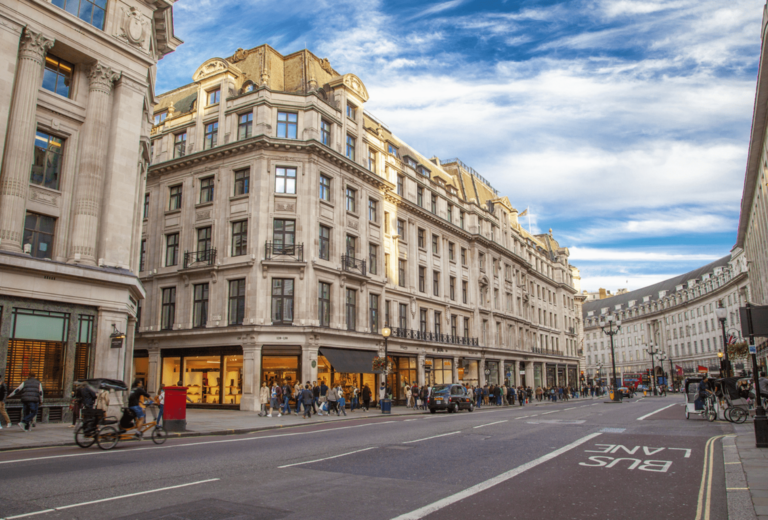
An apartment with retail space is more than just a residential building with shops below it is a cornerstone of modern mixed-use real estate. These developments combine living spaces with ground-floor retail, creating communities that support both convenience and lifestyle. From luxury towers in major cities to neighborhood complexes in suburban towns, apartments with retail space are shaping the way people live, work, and interact with their environment.
In this guide, we will explore the concept of apartments with retail space, their importance in urban planning, technology-driven advantages, real-world examples, practical benefits, and real-life use cases.
What is an Apartment with Retail Space?
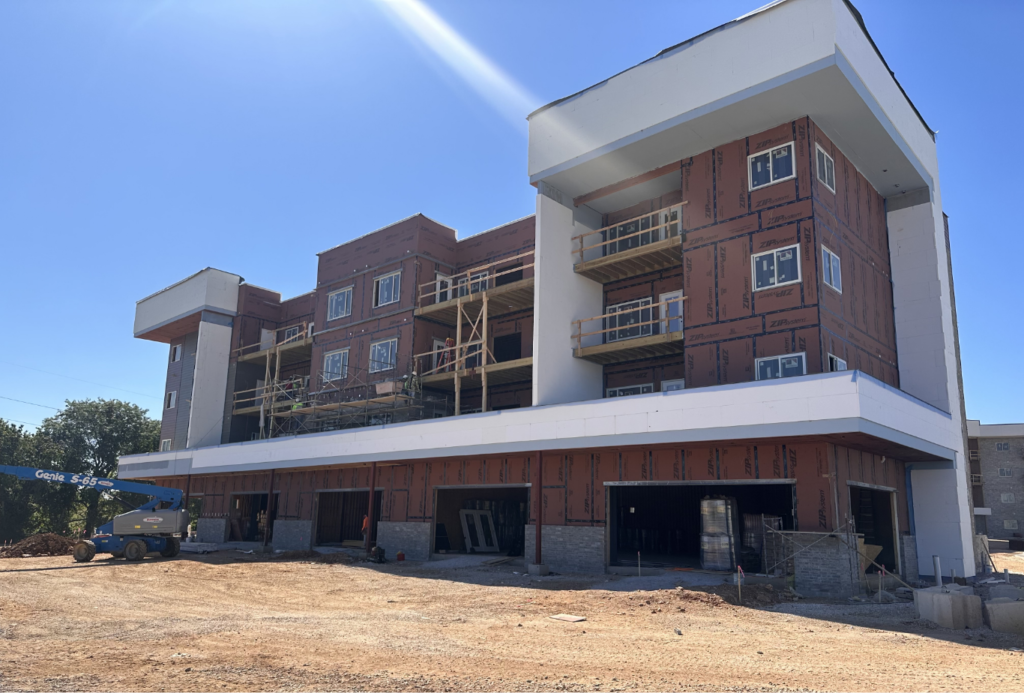
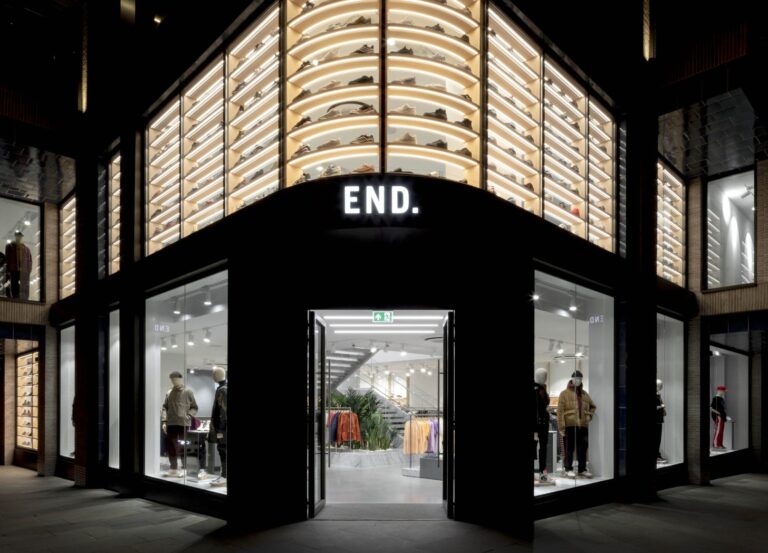
An apartment with retail space is a building where residential units are integrated with commercial retail areas, usually on the ground or lower floors. Retail tenants often include grocery stores, coffee shops, gyms, restaurants, or boutique stores, while upper floors are occupied by residential tenants.
This type of property is part of the growing mixed-use real estate trend, designed to create liveable, walkable neighborhoods. Instead of traveling across the city for basic needs, residents can enjoy the convenience of retail services right where they live. For landlords and investors, this integration provides two income streams: rental income from residents and leasing revenue from retailers.
Why Apartments with Retail Space are Growing in Popularity
Lifestyle and Urban Convenience
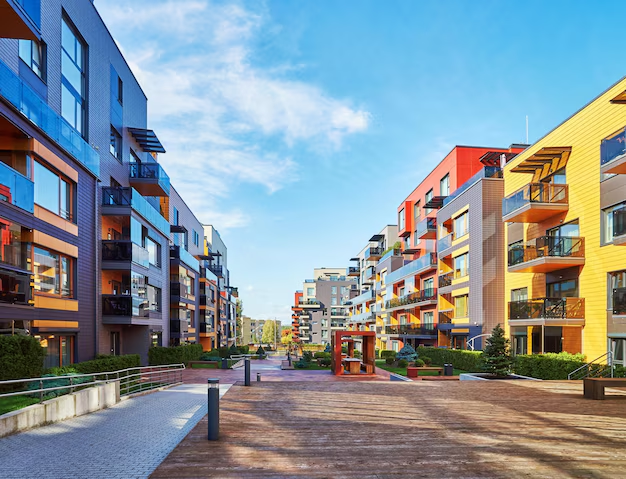
Urban residents increasingly demand convenience and accessibility. With apartments that integrate retail, residents save time and enjoy a greater quality of life. For example, living above a coffee shop, dry cleaner, or grocery store eliminates commuting for daily essentials. This appeals especially to young professionals and families who value efficiency.
These developments also align with global urban planning goals to reduce traffic congestion by encouraging walking and local shopping.
Revitalization of Neighborhoods
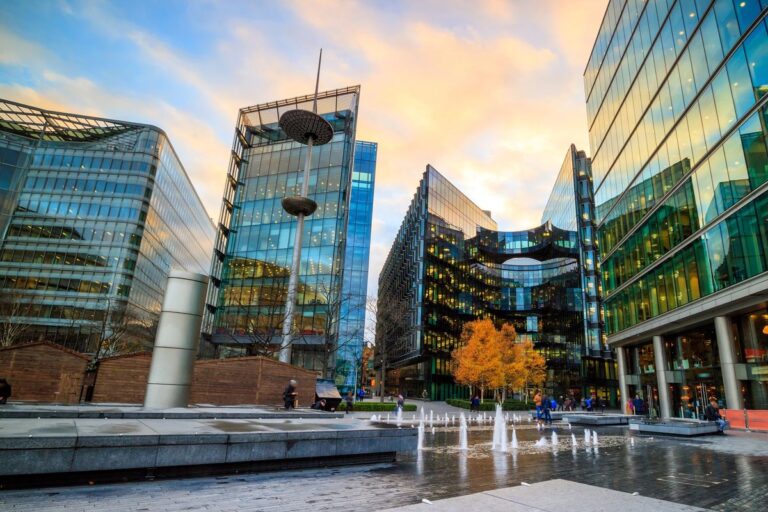
Apartments with retail space play a role in revitalizing underused urban areas. Ground-floor shops attract foot traffic, which in turn boosts local economies. A formerly quiet block can become a vibrant community hub with retail tenants such as bookstores, pharmacies, and cafes.
Mixed-use buildings also contribute to increased property values, not just for investors but for the surrounding neighborhood as well.
How Technology Enhances Apartments with Retail Space
Technology integration has become a defining feature of successful apartments with retail space. It not only enhances the resident experience but also makes retail operations more efficient.
Smart Building Systems
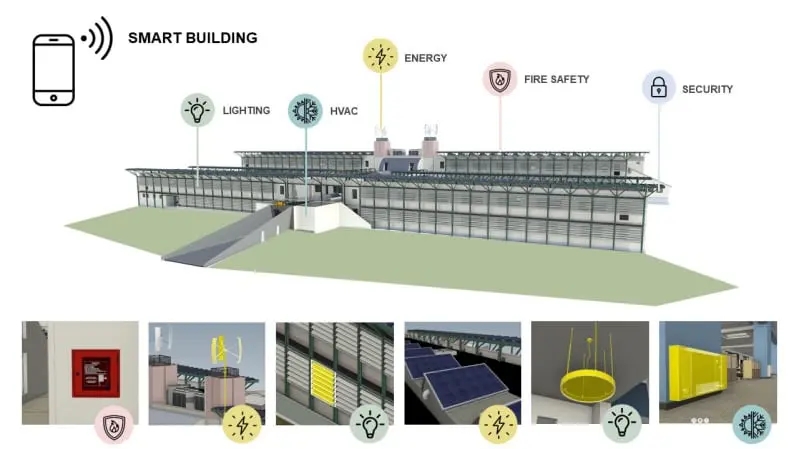
Smart technology manages energy use, lighting, climate control, and security across both residential and commercial spaces. For instance, retail tenants can benefit from smart energy systems that lower operating costs, while residents enjoy secure access through digital entry systems.
This level of technology improves efficiency, reduces maintenance costs, and attracts both retail and residential tenants who value modern amenities.
Digital Property Management Platforms
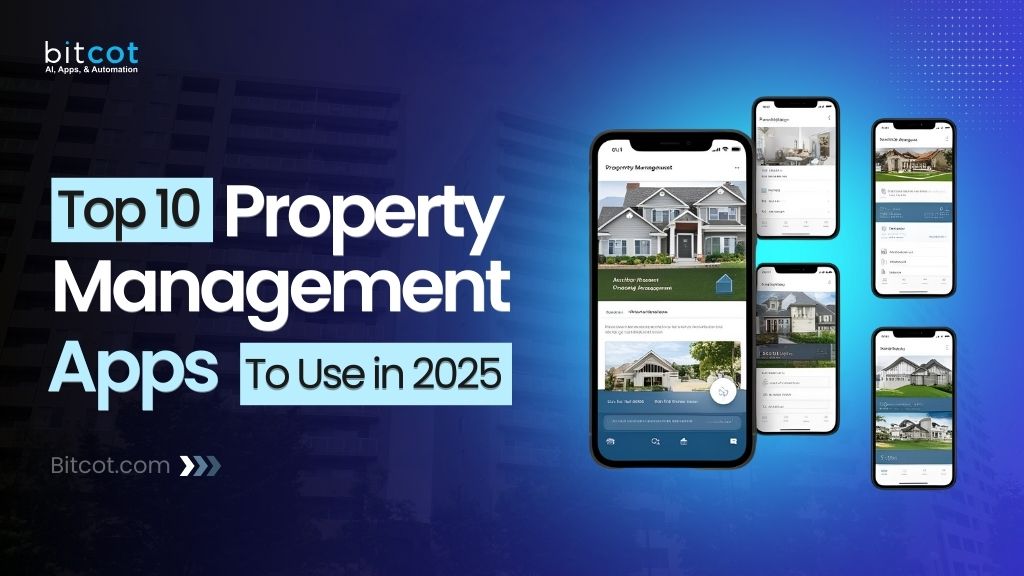
Mobile applications designed for property management allow residents and retail tenants to handle everything from rent payments to maintenance requests. Retail tenants can track lease agreements and even monitor customer foot traffic data if integrated with smart systems.
For property managers, these platforms streamline communication and reduce administrative burdens, creating smoother operations.
Data Analytics for Retail Optimization
Advanced data analytics allow retail tenants and property owners to monitor foot traffic, customer behavior, and sales trends. For example, a grocery store inside a mixed-use property can adjust product placement based on customer movement patterns.
Property owners can use the same data to attract complementary retail tenants, creating a stronger ecosystem that benefits residents and businesses alike.
Real-World Examples of Apartments with Retail Space
Example 1: Hudson Yards, New York City
Hudson Yards represents one of the most ambitious urban redevelopment projects in the United States. It integrates luxury apartments with high-end retail, dining, and cultural attractions. The combination makes Hudson Yards not just a residential development but a lifestyle destination.
For residents, having global fashion brands, gourmet dining, and public amenities right downstairs adds to the property’s prestige and convenience. For investors, the retail component elevates long-term property value.
Example 2: East Market, Philadelphia
East Market is a downtown revitalization project that integrates modern apartments with vibrant retail spaces. Tenants include grocery stores, cafes, and health-focused retailers that serve residents and the surrounding community.
This example demonstrates how apartments with retail space can transform a city center into a dynamic hub of activity while boosting economic growth.
Example 3: The Grove, Los Angeles
The Grove is both a popular shopping destination and a community with nearby residential units. It demonstrates how entertainment and retail can enhance the value of nearby apartments. Residents benefit from immediate access to restaurants, theaters, and shops, while the retail area enjoys consistent foot traffic.
This synergy highlights the lifestyle appeal of living close to retail attractions.
Example 4: Marina One, Singapore
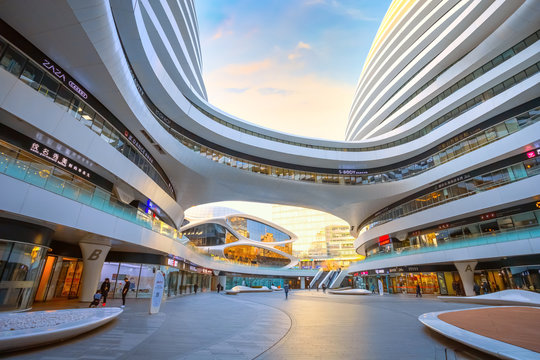
Singapore’s Marina One integrates residential towers, retail shops, offices, and green public spaces into one development. It illustrates the global trend of creating self-contained urban communities where people can live, work, and socialize without needing to leave the property.
This project underscores how apartments with retail space are increasingly tied to sustainable urban planning.
Benefits of Apartments with Retail Space
Dual Revenue Streams
For investors, one of the main benefits is the ability to earn from both residential rents and retail leases. This diversification reduces financial risks and enhances long-term returns.
Increased Property Value
Well-designed mixed-use properties with quality retail tenants often appreciate faster than standalone apartments. The added convenience and lifestyle appeal increase both demand and value.
Stronger Community Engagement
Ground-floor retail spaces act as community hubs, attracting residents and visitors alike. This vibrancy fosters social interaction, making neighborhoods more desirable to live in.
Sustainability and Efficiency
Apartments with retail space promote walkability and reduce dependence on cars. With the integration of smart technology, they also support energy-efficient living and sustainable retail operations.
Use Cases of Apartments with Retail Space in Real Life
Revitalizing Underperforming Areas
Developers often use apartments with retail space to rejuvenate struggling neighborhoods. Adding a grocery store, coffee shop, or small retail outlets brings activity and makes the area more attractive for both new residents and investors.
Supporting Local Entrepreneurs
Retail spaces in apartment buildings often house small businesses. Local cafes, hair salons, or boutique shops gain access to a built-in customer base, while landlords benefit from long-term occupancy and community appeal.
Enhancing Urban Lifestyles
For busy professionals, students, or families, apartments with retail space make daily living easier. Whether grabbing breakfast at the downstairs cafe or picking up groceries on the way home, the lifestyle convenience is unmatched.
Reducing Tenant Turnover
Properties with vibrant retail offerings often experience lower tenant turnover. Residents value the lifestyle benefits and are willing to pay higher rents to stay in such developments.
Frequently Asked Questions
1. Are apartments with retail space more profitable than traditional apartments?
Yes. Apartments with retail space generate revenue from both residential and retail tenants, creating dual income streams. This diversification makes them more resilient to economic fluctuations compared to standalone apartments.
2. What challenges do developers face with apartments that include retail space?
Challenges include higher upfront development costs, the complexity of managing different tenant types, and the need to attract the right mix of retail tenants to sustain long-term success. However, these challenges are offset by strong long-term returns when executed well.
3. Who benefits most from apartments with retail spa:ce residents, retailers, or investors?
All three parties benefit. Residents enjoy convenience, retailers gain a steady customer base, and investors secure multiple income streams with potentially higher property values. This mutual benefit is why mixed-use developments continue to thrive globally.