Prime Retail Property: Definition, Benefits, and Real-World Examples in Modern Commercial Real Estate
Prime retail property is one of the most sought-after asset classes in commercial real estate. It refers to strategically located retail spaces in high-demand areas with strong customer foot traffic, excellent visibility, and long-term value. For investors, retailers, and developers, these properties are the backbone of profitable business operations and sustainable real estate portfolios.
In this guide, we will explore what defines prime retail property, how technology enhances its performance, real-world examples across the globe, and why it is so valuable in today’s evolving retail market.
What is Prime Retail Property?
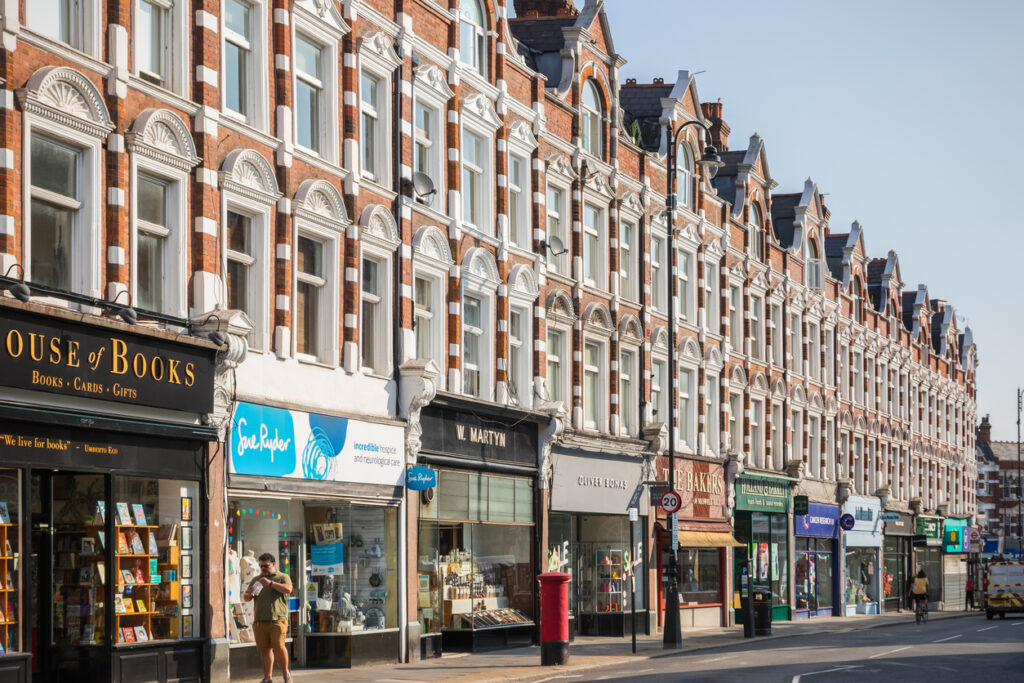
Prime retail property refers to commercial spaces located in the most desirable and profitable areas, often within city centers, iconic shopping districts, or high-growth neighborhoods. These properties typically attract prestigious tenants such as luxury fashion brands, global retailers, or established food and beverage operators.
Key features of prime retail property include exceptional foot traffic, proximity to transportation hubs, strong visibility, and the potential for high rental yields. Retailers choose these spaces not just for the physical location, but for the prestige and brand value associated with being in a prime retail spot.
For investors, prime retail property is considered a stable and high-performing asset class. Even during economic downturns, top-tier retail spaces tend to retain demand due to their scarcity and strong market position.
Why Prime Retail Property is Important in Commercial Real Estate
Driving Business Success
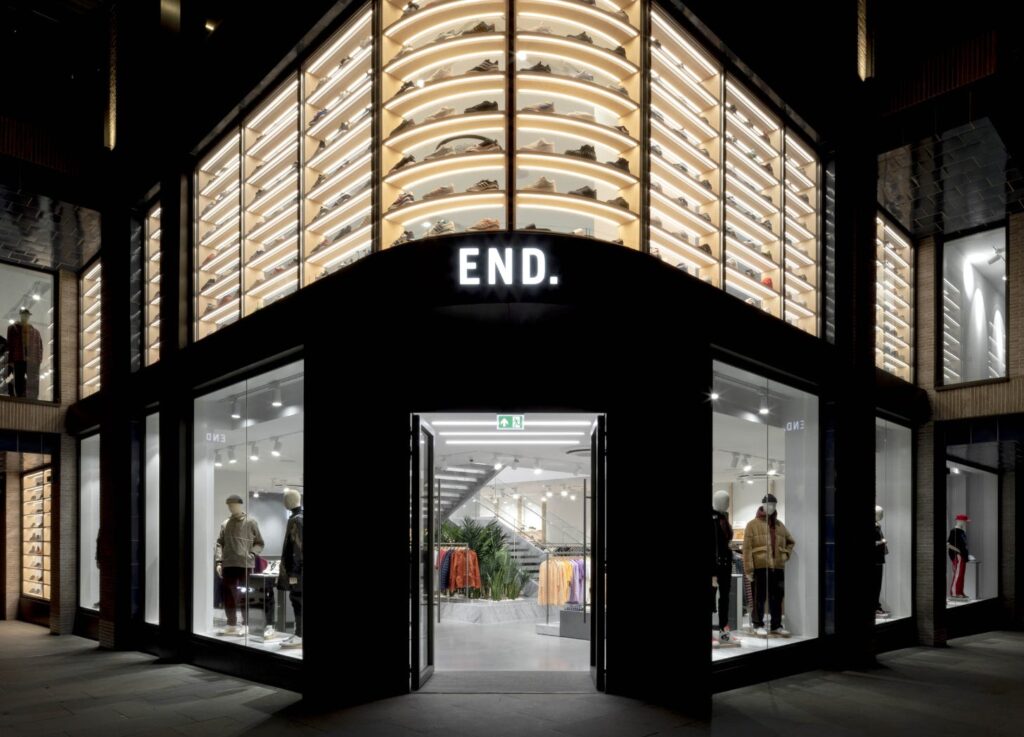
Retailers in prime locations benefit from high exposure, which translates directly into sales. Being located in a famous shopping street or mall often reinforces a brand’s image and draws international customers.
For example, flagship stores in New York’s Fifth Avenue or London’s Oxford Street serve not only as retail outlets but also as marketing tools that showcase a brand’s identity to millions of visitors annually.
Long-Term Investment Value
Prime retail property typically appreciates faster than secondary or tertiary retail spaces. The combination of limited supply and sustained demand ensures long-term rental growth. Investors value these properties because they generate stable cash flow and tend to weather economic downturns better than less strategically placed retail assets.
Technology’s Role in Enhancing Prime Retail Property
Technology is reshaping how prime retail property operates, offering benefits to both tenants and landlords.
Smart Retail Infrastructure
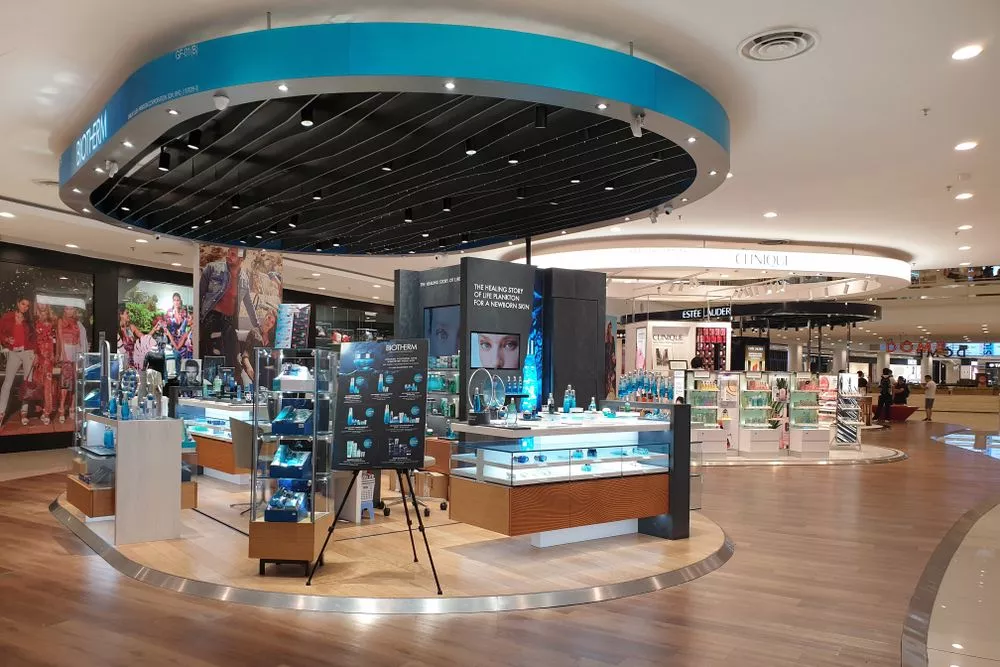
Modern prime retail properties integrate digital signage, interactive displays, and smart lighting systems. These elements enhance the shopping experience, draw customer attention, and improve energy efficiency. For retailers, the ability to update displays instantly allows for dynamic marketing aligned with campaigns or seasons.
Data Analytics and Customer Insights
Prime retail locations are increasingly leveraging data analytics to track customer footfall, dwell time, and purchasing patterns. For tenants, this information helps refine inventory management and marketing strategies. For landlords, analytics provide insights into traffic flow and tenant mix optimization, making the property even more attractive to future tenants.
Sustainability and Smart Energy Management
Sustainability is now central to property value. Prime retail properties use technology such as smart HVAC systems, automated lighting, and renewable energy integration. These systems reduce operational costs and align with the growing consumer preference for environmentally conscious businesses.
Real-World Examples of Prime Retail Properties
Example 1: Fifth Avenue, New York City
Fifth Avenue is one of the most recognized prime retail locations worldwide. Hosting brands like Tiffany & Co., Apple, and Gucci, it represents the pinnacle of retail prestige. For retailers, presence on Fifth Avenue is not only about sales but about maintaining brand authority in the global luxury market.
The constant flow of tourists and local shoppers ensures high sales volumes and justifies premium rental rates, making it one of the most expensive retail corridors globally.
Example 2: Oxford Street, London
Oxford Street is Europe’s busiest shopping street, with more than 200 million visitors each year. Brands ranging from fast fashion to luxury labels compete for space here. Retailers choose Oxford Street because it provides access to a diverse customer base, including locals, commuters, and international tourists.
The continuous investment in infrastructure, such as new transportation links, keeps Oxford Street relevant as a global shopping destination, reinforcing its value as a prime retail location.
Example 3: Orchard Road, Singapore
Orchard Road exemplifies Asia’s dominance in luxury retail. Home to flagship stores and high-end malls, it attracts millions of visitors from across Asia-Pacific. Retailers benefit from the area’s reputation as a luxury shopping haven, while investors see stable returns driven by consistent demand from both tourists and wealthy locals.
The Singapore government’s emphasis on urban planning and connectivity enhances Orchard Road’s sustainability as a prime retail hub.
Example 4: Champs-Élysées, Paris
The Champs-Élysées is not just a shopping street; it is a global cultural landmark. Hosting brands like Louis Vuitton and Cartier, this iconic avenue demonstrates how prime retail property merges prestige with profitability.
Retailers on this street gain global visibility, while investors benefit from high-value leases and long-term appreciation. Its cultural significance also ensures continued tourist inflow, supporting retail demand even during challenging times.
Benefits of Prime Retail Property
Prestige and Brand Visibility
Retailers occupying prime retail properties enjoy instant brand elevation. Customers associate the brand with luxury, trust, and market leadership simply because of the location.
Stable and Resilient Investment
For investors, prime retail properties are stable assets. They provide consistent rental income and often outperform other commercial real estate classes during downturns due to their irreplaceable locations.
High Foot Traffic and Sales Potential
Being in a prime retail location guarantees strong customer exposure. This increases sales potential and supports long-term business sustainability for retailers.
Attraction of Global Tenants
Prime retail properties often attract global tenants, creating a mix of high-quality retailers that enhances the property’s overall value. The presence of anchor tenants, such as luxury fashion houses, adds credibility and draws even more customers.
Use Cases of Prime Retail Property in Real Life
Establishing Flagship Stores
Global brands often use prime retail properties to establish flagship stores. These serve as brand showcases, offering immersive experiences that go beyond shopping. For example, Apple’s flagship stores are designed as community hubs, drawing millions of visitors annually.
Revitalizing Urban Cores
Prime retail properties often act as catalysts for urban renewal. Investment in high-street retail or premium malls boosts surrounding property values and stimulates local economies, creating jobs and attracting further development.
Supporting Tourism Economies
Tourist-heavy cities rely on prime retail properties to drive spending. Shopping streets like Ginza in Tokyo or Rodeo Drive in Los Angeles attract global visitors, generating revenue not only for retailers but also for hotels, restaurants, and cultural venues.
Building Long-Term Real Estate Portfolios
For institutional investors and REITs (Real Estate Investment Trusts), prime retail properties form the backbone of portfolios. Their resilience and high occupancy rates make them strategic assets for long-term financial performance.
Frequently Asked Questions
1. What makes a retail property “prime”?
A retail property is considered prime if it is located in a highly desirable area with strong foot traffic, excellent visibility, and stable demand. These properties usually attract global or prestigious tenants and offer high rental yields.
2. Is investing in prime retail property still relevant in the digital age?
Yes. Despite the rise of e-commerce, prime retail properties continue to thrive because they offer experiences that cannot be replicated online. Flagship stores, luxury shopping, and high-traffic retail districts still hold strong appeal for both consumers and investors.
3. What risks are associated with prime retail property?
The main risks include high acquisition costs and market saturation in certain cities. However, these risks are often balanced by the long-term stability, brand visibility, and resilience that prime retail properties provide.