Retail Property Consultants: Guiding Success in Commercial Real Estate
Retail property consultants are specialists who bridge the gap between property owners, investors, and tenants in the competitive world of commercial real estate. Unlike traditional agents who may focus solely on lease agreements, consultants take a broader and more strategic role. They analyze markets, design leasing strategies, advise on investment decisions, and ensure that retail properties achieve maximum profitability and relevance.
In today’s market, where retail is constantly reshaped by e-commerce, shifting consumer behaviors, and urban development, retail property consultants have become vital. They provide tailored guidance to landlords, retailers, and developers who need more than just a transactional partner; they need a strategic advisor.
Core Responsibilities of Retail Property Consultants

The work of a retail property consultant goes beyond finding tenants for spaces. Their primary responsibility is strategic advisory. This includes analyzing consumer demographics, traffic patterns, and economic conditions to recommend the right mix of tenants for a property.
Consultants also provide financial modeling and forecasting. They help investors understand the potential return on investment for retail properties by projecting rental income, estimating operational costs, and assessing long-term value.
Another major role is asset positioning. Retail property consultants guide landlords in repositioning underperforming assets. For instance, they might suggest turning a failing retail center into a mixed-use development with dining, entertainment, and lifestyle tenants to match modern consumer preferences.
The Impact of Technology on Retail Property Consulting
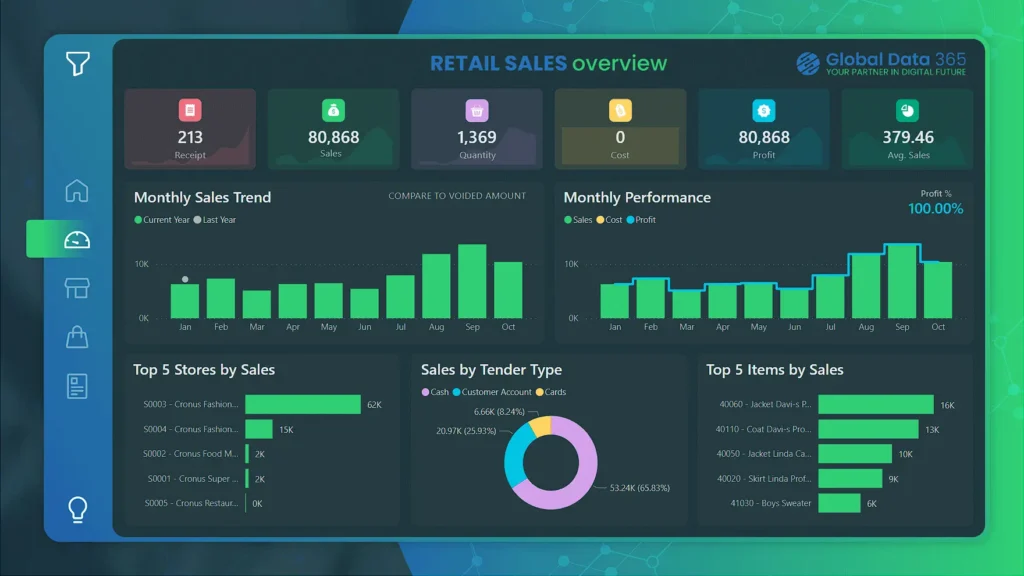
Technology has significantly reshaped the consulting process in retail real estate. One of the most important advancements is data analytics. Retail property consultants now use real-time data to understand consumer spending, foot traffic patterns, and competitive landscapes. This enables them to create tenant strategies backed by measurable insights.
Virtual reality and 3D property visualization tools are also becoming common. These allow potential tenants and investors to explore retail spaces virtually before committing, saving time and expanding the consultant’s ability to market properties globally.
Additionally, AI-powered predictive modeling is emerging. By analyzing past trends and projecting future scenarios, consultants can provide accurate forecasts for rental performance and property appreciation, giving investors confidence in long-term strategies.
Real-World Examples of Retail Property Consultants in Action
Example 1: Revitalizing a Regional Shopping Mall
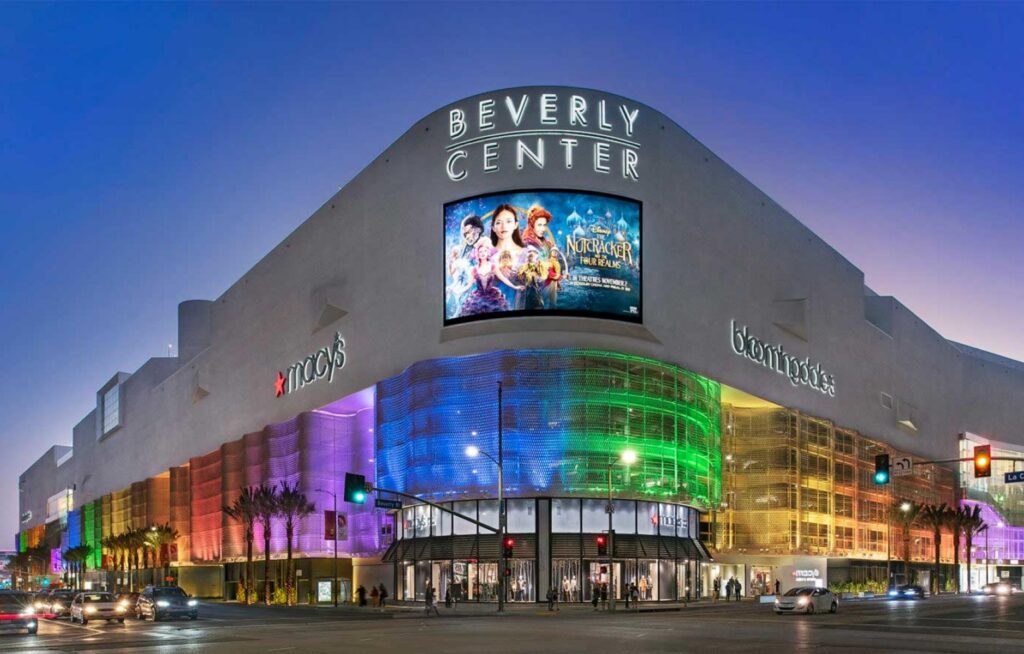
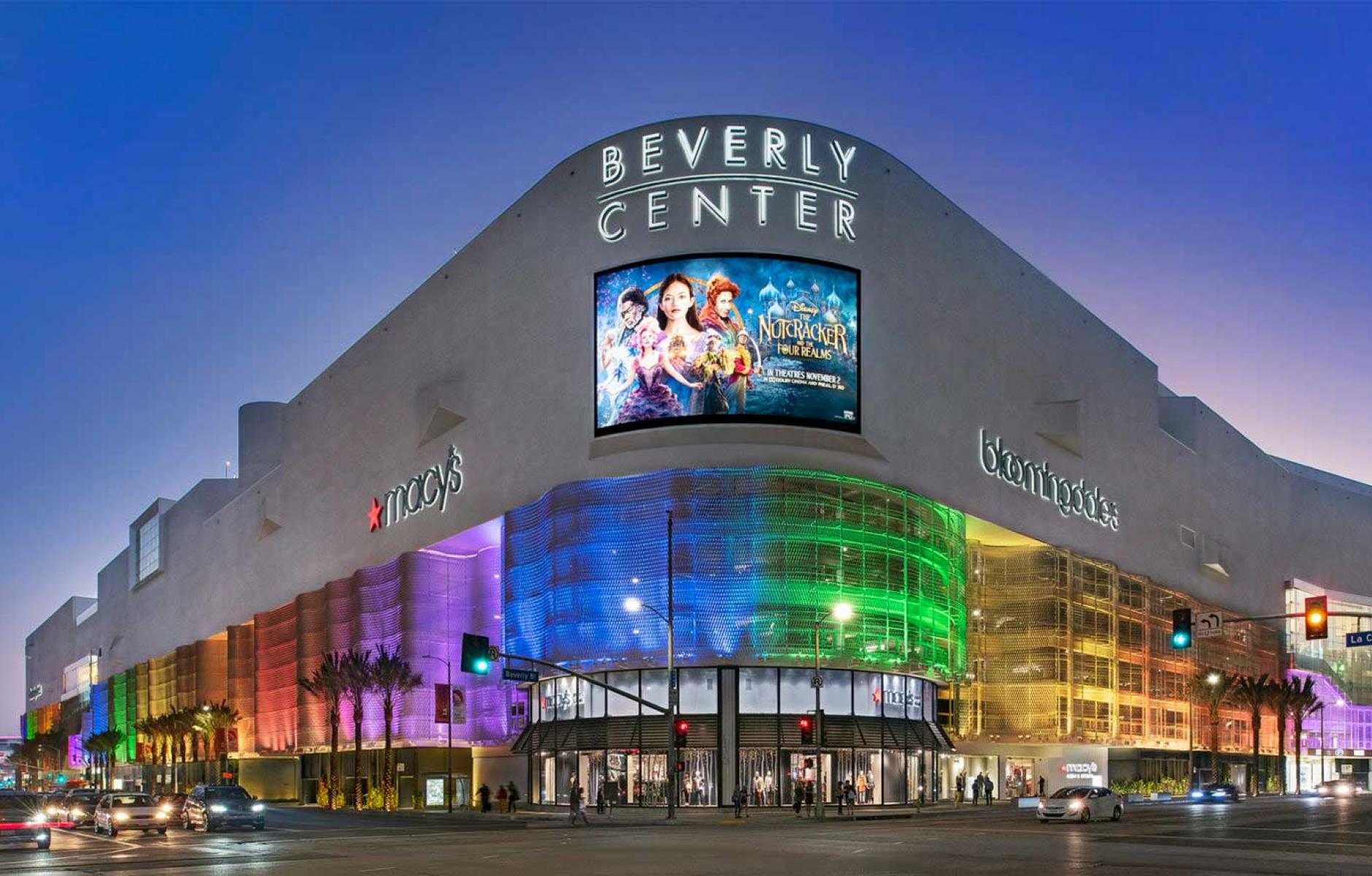
A struggling regional shopping mall once faced declining foot traffic and rising vacancies due to online shopping trends. A retail property consultant was brought in to reposition the mall. Instead of focusing solely on fashion tenants, the consultant advised diversifying into dining, entertainment, and wellness services.
By adding restaurants, a cinema, and a fitness center, the consultant helped transform the property into a lifestyle hub rather than just a shopping destination. Foot traffic improved, vacancies declined, and the mall regained its competitive edge.
Example 2: Supporting a Retail Start-Up’s Expansion
A fast-growing start-up in the lifestyle sector wanted to expand into multiple cities but lacked knowledge of the best retail locations. A retail property consultant provided market analysis, identified high-traffic neighborhoods, and negotiated favorable lease terms.
The consultant’s guidance ensured that the brand’s new stores opened in areas with the right demographics, avoiding costly mistakes. This strategic expansion led to sustainable growth and increased brand visibility.
Example 3: Mixed-Use Development Strategy
A property developer planning a mixed-use project needed expert guidance on retail positioning. The retail property consultant recommended a tenant mix that catered to residents’ daily needs, such as grocery stores, cafes, and fitness studios, while also attracting visitors with specialty boutiques.
The result was a thriving development that balanced convenience and lifestyle, increasing both residential occupancy and retail profitability.
Example 4: Outlet Center Rebranding
An outlet center struggled with low sales due to outdated tenant selections. A consultant stepped in and rebranded the property by attracting popular lifestyle and athleisure brands. They also advised on marketing strategies to highlight discounts and exclusivity.
This repositioning attracted new visitors, boosted tenant performance, and increased the property’s overall revenue.
Example 5: Technology Integration in Leasing Strategy
A retail property consultant partnered with a property owner to integrate technology into their leasing strategy. By using AI tools and geolocation analytics, the consultant identified the best tenant categories to match the surrounding community.
This data-driven approach resulted in leases with businesses that had a strong likelihood of long-term success, ensuring both stability and growth for the property.
Benefits of Working with Retail Property Consultants

The benefits of retail property consultants extend to both landlords and tenants. For landlords and investors, consultants provide expert market positioning. They ensure that properties are aligned with consumer demand, which reduces vacancy risks and enhances profitability.
For tenants, consultants offer strategic guidance. Rather than simply signing a lease, tenants receive advice on the best locations, realistic rental terms, and market opportunities that fit their long-term growth goals.
Another significant benefit is risk reduction. With access to advanced market data, consultants help clients avoid costly mistakes, whether it’s investing in the wrong property type or choosing a location with limited consumer potential.
Consultants also bring time and efficiency savings. By streamlining processes such as negotiations, financial forecasting, and tenant sourcing, they allow clients to focus on growing their businesses instead of navigating complex real estate challenges.
Use Cases: Why Retail Property Consultants Are Essential
Repositioning Underperforming Assets
When a retail property faces declining revenue, consultants analyze consumer demand and recommend adjustments. This could include introducing experiential tenants, such as dining or entertainment, to boost customer engagement.
Strategic Tenant Selection
Retail property consultants ensure the right tenant mix. A shopping center anchored by a grocery store may be complemented with cafes, health clinics, or boutique shops to maximize cross-traffic and enhance community appeal.
Guiding International Brands
Global retailers entering a new market rely heavily on consultants. They provide insights into local consumer behavior, cultural preferences, and competitive landscapes, making expansion smoother and more profitable.
Assisting Property Investors
For investors unfamiliar with retail, consultants act as trusted advisors. They guide decisions on where to invest, how to price leases, and which tenant strategies will deliver consistent returns.
Frequently Asked Questions
1. What is the difference between a retail leasing agent and a retail property consultant?
A leasing agent primarily focuses on securing tenants and negotiating leases, while a retail property consultant takes a broader strategic role, including market analysis, investment advisory, and long-term property positioning.
2. How do retail property consultants use technology?
They use tools like big data analytics, virtual tours, and AI-powered forecasting to provide accurate insights into consumer demand, property performance, and tenant strategies.
3. Why are retail property consultants important for small businesses?
Small businesses often lack experience in leasing or property evaluation. Consultants help them secure fair terms, choose profitable locations, and avoid risks that could threaten their survival.