Managed Office Services: Complete Guide, Benefits, and Real-World Examples
Modern businesses demand more than just physical office space; they require fully managed environments that enable efficiency, scalability, and growth. This is where managed office services come into play. These services provide companies with professionally managed workspaces that include not just the physical office itself, but also the administrative, technical, and operational support needed to function seamlessly.
Unlike traditional office leases, managed office services free businesses from the burden of managing utilities, IT infrastructure, reception staff, cleaning, and security. This model allows companies to concentrate on their core operations while the office provider ensures that all background services are handled. For businesses of all sizes, from startups to multinational corporations, managed office services represent a flexible and efficient solution to modern workspace challenges.
What Are Managed Office Services?
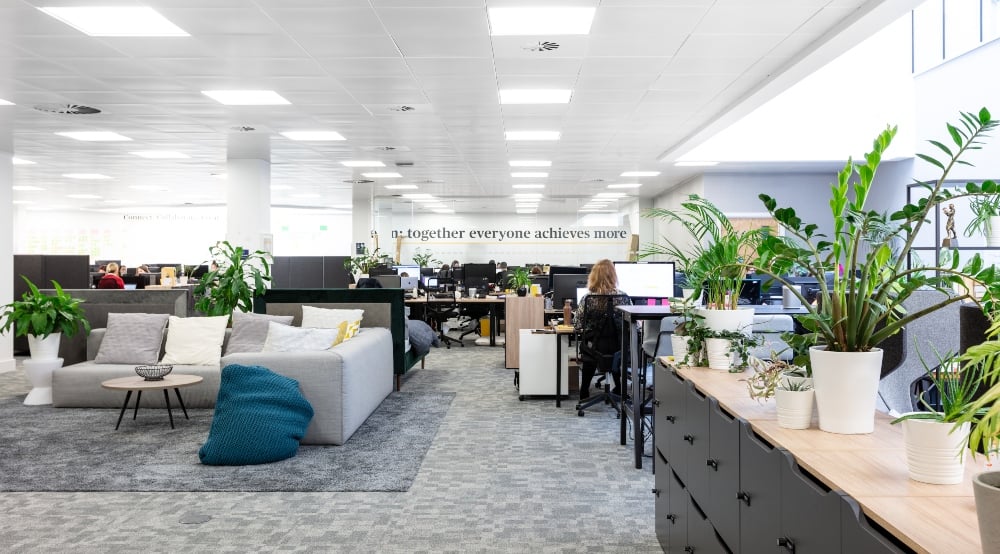
Managed office services refer to a comprehensive set of solutions where workspace providers handle both the physical and operational aspects of an office. These services typically include building management, utilities, IT support, cleaning, furnishing, and security. Some providers also extend offerings to concierge services, event coordination, and advanced technology integration.
The key appeal of managed office services lies in their ability to provide businesses with a turnkey workspace solution. Companies can move into a fully prepared environment without the hassle of setting up infrastructure, hiring additional staff, or managing day-to-day maintenance. This level of convenience is especially valuable in today’s fast-moving economy, where businesses must remain agile.
Why Managed Office Services Are Becoming Essential
The global shift toward hybrid and flexible working models has accelerated the demand for managed office services. Businesses increasingly want workspaces that adapt to their changing needs without long-term commitments. Managed office services provide this flexibility while offering the infrastructure needed to support both in-office and remote employees.
Another driver is cost efficiency. By outsourcing office management tasks, businesses can reduce overhead costs related to staffing, equipment, and maintenance. Furthermore, managed office services offer predictable monthly expenses, making financial planning easier. Combined with the added benefit of operating in professional and well-maintained environments, these services are becoming a cornerstone of modern business strategies.
Key Features of Managed Office Services
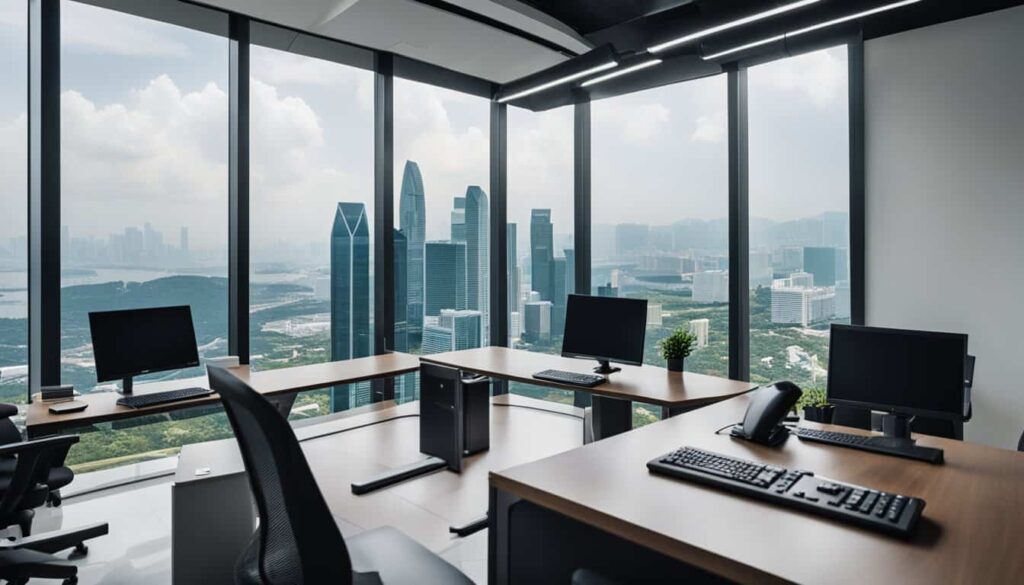
Managed office services are not one-size-fits-all. They are designed to cover multiple aspects of office management, ensuring companies can tailor their workspace to their needs. Some of the most common features include:
- Fully furnished and customizable office spaces
- High-speed internet and advanced IT infrastructure
- Reception and front-desk services
- Administrative support and mail handling
- Cleaning, security, and maintenance
- Meeting rooms and collaboration spaces
- On-demand services such as catering, printing, and event management
These features collectively create an environment where businesses can focus entirely on performance, growth, and innovation.
Real-World Examples of Managed Office Services
Example 1: WeWork Managed Solutions
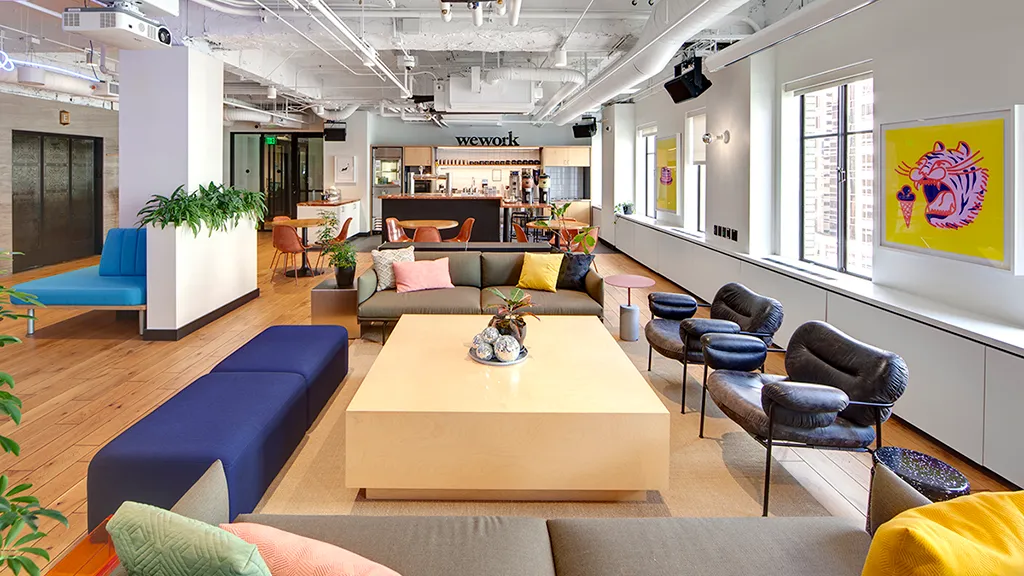
WeWork, one of the world’s leading workspace providers, has expanded beyond coworking into fully managed office services. Their managed solutions provide businesses with bespoke office designs, IT infrastructure, and operational support tailored to company needs.
This offering is especially attractive to larger enterprises seeking customized environments. Businesses benefit from having offices that reflect their brand identity while enjoying the convenience of outsourced management. For global companies, WeWork also provides international consistency across multiple locations.
Example 2: Regus Managed Offices
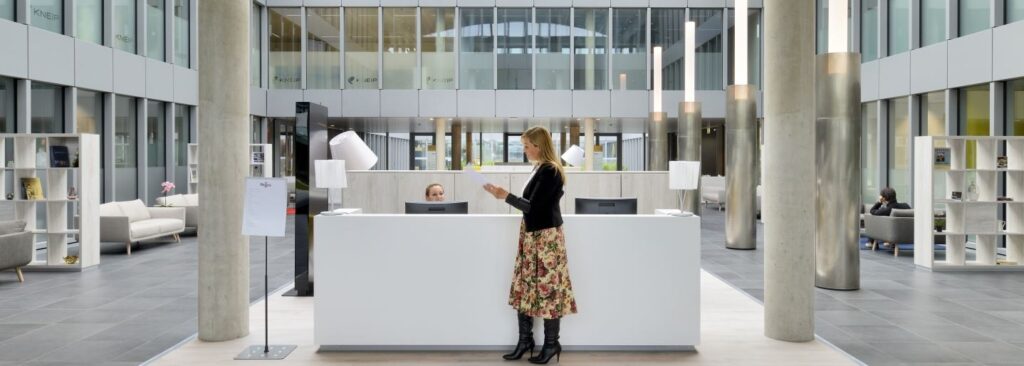
Regus, under the IWG group, has been a pioneer in providing managed office services worldwide. Their managed offices include reception, IT support, administrative services, and fully furnished environments. Regus locations are designed to meet the needs of a wide range of businesses, from entrepreneurs to multinational corporations.
What makes Regus significant is its scale. With thousands of locations globally, businesses that require consistency across cities and countries can rely on Regus for seamless managed services. The predictability and reliability of their offerings make them a trusted name in the industry.
Example 3: The Office Group (TOG)
The Office Group specializes in blending beautifully designed spaces with practical managed office services. Their focus extends to sustainability, wellness, and innovative design, creating environments that go beyond traditional office setups.
Companies choosing TOG’s managed services benefit not only from operational support but also from an enhanced employee experience. With features such as natural lighting, wellness programs, and flexible design layouts, TOG demonstrates how managed office services can influence productivity and culture.
Example 4: Knotel Managed Workspaces
Knotel is known for its agile approach to managed office services. Their focus is on providing businesses with adaptable office environments that grow with them. Knotel works closely with clients to design tailored workspaces while handling all the operational elements of management.
For companies in fast-paced industries, Knotel’s flexibility is a strong advantage. Businesses can easily expand or contract their workspace needs without sacrificing quality or efficiency. This agility positions Knotel as a top choice for dynamic businesses.
Benefits of Managed Office Services with Technology Integration
Technology plays a central role in how managed office services add value to businesses. Modern offices are no longer about just physical space; they are about connectivity, efficiency, and adaptability.
- Seamless Connectivity: High-speed internet and reliable IT systems ensure that businesses remain connected globally without interruptions.
- Smart Systems: Many providers incorporate digital access controls, smart booking apps, and energy-efficient technologies to streamline office operations.
- Hybrid Work Support: Advanced video conferencing systems, cloud-based platforms, and remote collaboration tools allow businesses to manage hybrid teams effectively.
- Data Security: Managed offices often include robust cybersecurity infrastructure and on-site IT support to safeguard sensitive business data.
By integrating technology, managed office services not only meet the current demands of businesses but also prepare them for future growth and digital transformation.
Practical Use Cases of Managed Office Services
Use Case 1: Startups and SMEs
Startups often face the challenge of balancing growth with limited resources. Managed office services allow them to operate from professional environments without worrying about infrastructure setup or ongoing maintenance. This creates opportunities to scale quickly without high upfront costs.
Use Case 2: Global Corporations
Large multinational corporations often require consistency across global offices. Managed office services ensure that every location provides the same quality, branding, and operational support, simplifying management and improving efficiency across markets.
Use Case 3: Hybrid Workforce Management
With the rise of hybrid work, businesses need office solutions that support both remote and in-person teams. Managed office services provide flexible spaces equipped with technology to ensure seamless collaboration regardless of location.
Use Case 4: Project-Based Businesses
Companies handling short-term projects, such as consultancy firms or creative agencies, benefit from managed services by securing temporary offices with complete support. This eliminates the need for long-term commitments while maintaining professionalism.
Advantages of Managed Office Services
Managed office services bring multiple advantages that resonate with businesses across industries:
- Flexibility: Adaptable solutions for short- or long-term needs.
- Cost Savings: No need for upfront investments in furniture, IT systems, or support staff.
- Efficiency: Operational tasks are outsourced, freeing businesses to focus on growth.
- Scalability: Easily expand or reduce office space as business needs change.
- Prestige: Many managed offices are located in prime business districts, enhancing brand credibility.
Frequently Asked Questions
1. What is the main difference between managed office services and traditional office leasing?
Managed office services provide fully equipped, maintained, and supported workspaces, while traditional leases typically only provide the physical space. With managed services, businesses don’t need to handle utilities, IT, or administrative support.
2. Are managed office services suitable for small businesses?
Yes, they are particularly beneficial for small businesses and startups. Managed office services provide professional environments without requiring large investments, enabling smaller companies to operate efficiently and competitively.
3. How do managed office services support hybrid working models?
Managed office services often include advanced conferencing facilities, flexible space options, and technology that supports remote collaboration. This makes them ideal for businesses adopting hybrid or flexible work arrangements.