BlackRock Buying Houses: The Real Story Behind Institutional Home Investments
In recent years, the phrase “BlackRock buying houses” has spread widely online, sparking public concern and confusion. Many people believe that this giant financial company is buying thousands of homes across America, driving up prices and shutting out ordinary buyers.
But is that really true? What exactly is BlackRock’s role in the housing market? This article breaks down the facts, explains how BlackRock actually invests in real estate, and explores the impact of institutional investors on housing affordability and communities.
Understanding the “BlackRock Buying Houses” Debate

Where the Claim Came From
The story that “BlackRock is buying houses” started circulating heavily on social media and news platforms around 2021. Posts claimed that the company was outbidding families for single-family homes and turning them into rentals. The idea fueled anger about corporate ownership in the housing market.
However, according to official statements and independent reports, BlackRock itself does not directly buy single-family homes. Instead, the company invests money on behalf of clients such as pension funds, insurance companies, or universities across many industries, including real estate.
BlackRock’s real estate activity is mostly through large investment funds, mortgage securities, and partnerships with developers. That means it provides financial backing for housing projects, but it isn’t going door to door buying houses in local neighborhoods.
Confusion Between BlackRock and Blackstone
A big part of the misunderstanding comes from confusion between BlackRock and another major investment firm called Blackstone. Blackstone does own and operate large numbers of rental homes and apartments. But BlackRock’s business model is different.
BlackRock manages investments for others it doesn’t run property management operations. So while both companies invest in real estate, only one is known for direct ownership of residential portfolios, and that’s Blackstone, not BlackRock.
What BlackRock Actually Does in Real Estate
BlackRock participates in the housing market mainly by investing in:
- Mortgage-backed securities and real estate debt
- Multifamily apartment complexes
- Commercial and industrial real estate
- Build-to-rent or purpose-built rental developments
- Real estate investment funds for institutional clients
This means BlackRock supports housing markets financially, not by physically buying existing homes. It invests in large-scale projects, construction financing, and rental housing platforms that create new housing supply or manage big portfolios.
How BlackRock’s Real Estate Strategy Works
Investing Through Funds and Partnerships
BlackRock’s real estate operations function mostly through private funds, joint ventures, and client portfolios. The company pools money from investors who want exposure to real estate, then uses that capital to invest in income-generating assets.
These investments can include office buildings, industrial warehouses, apartment complexes, or even new housing developments. Rather than owning and managing properties directly, BlackRock often partners with local real estate companies or operators that handle day-to-day management.
This approach allows BlackRock to maintain diversification across countries and property types while minimizing operational risk.
Global Portfolio and Strategy
BlackRock invests in real estate all over the world. It focuses on long-term value rather than short-term speculation. Its strategy includes both core assets (stable, income-producing properties) and value-add opportunities (projects that need upgrades or redevelopment).
In the housing sector, the company favors multifamily properties and purpose-built rental communities. These types of assets are easier to manage at scale compared to thousands of scattered single-family homes.
BlackRock also invests heavily in commercial real estate such as warehouses, logistics facilities, and office towers. These investments show that housing is just one part of a much broader portfolio.
Real-World Examples of BlackRock’s Real Estate Investments
To understand what “BlackRock buying houses” really means, let’s look at several real-world examples of the company’s involvement in real estate.
Example 1: Manhattan Apartment Joint Venture

BlackRock partnered with a large real estate developer in Manhattan to purchase and operate a luxury apartment building. This was not a neighborhood of single homes but a high-rise multifamily rental property.
In this deal, BlackRock provided part of the capital while the developer managed the building. The goal was to earn rental income and long-term appreciation as the New York housing market grew.
This example shows that BlackRock invests at the institutional level, in large apartment complexes rather than individual houses.
Example 2: Acquisition of an Industrial Real Estate Firm

Another example is BlackRock’s acquisition of a company that owns and manages industrial real estate. These properties include warehouses and manufacturing facilities leased to major corporations.
While this example is not about housing, it demonstrates the same investment logic — acquiring assets that generate predictable rental income. It also shows that BlackRock’s real estate strategy covers many sectors beyond residential housing.
Example 3: Funding Purpose-Built Rental Communities
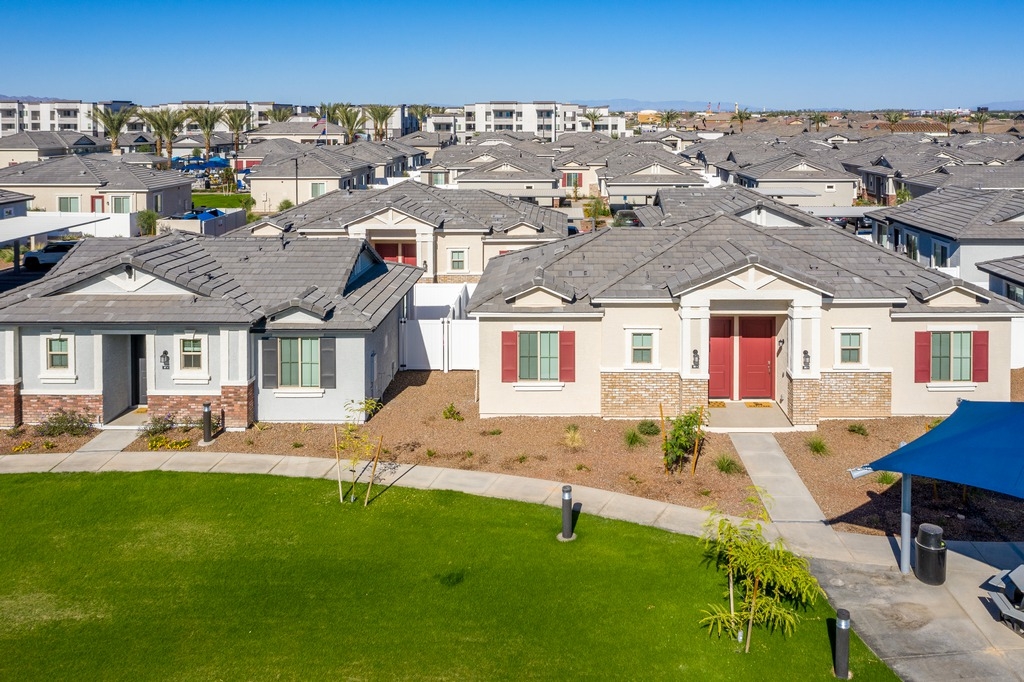
BlackRock has invested in funds that finance new housing developments designed for long-term rental use. These “build-to-rent” communities are planned and constructed specifically for renters.
Instead of buying existing houses from families, these projects create new housing supply. BlackRock’s capital helps developers build neighborhoods with consistent design, management, and amenities, offering professionally managed rental options.
These examples reveal a consistent pattern: BlackRock invests at scale, usually through funds and partnerships, focusing on large properties and new developments rather than competing with individual homebuyers.
Benefits of Institutional Investment in Housing
Institutional investors like BlackRock can bring several potential advantages to the housing market when their capital is used responsibly and strategically.
Improved Property Management and Maintenance
Large investors can afford professional management companies, maintenance systems, and technology tools that improve tenant experiences. This leads to:
- Faster response times for repairs
- Consistent maintenance across all units
- Professional standards for tenant screening and safety
- Use of digital apps for rent payment and maintenance requests
For tenants, this can mean a more stable and predictable living environment than dealing with many small landlords.
Access to Capital and New Housing Supply
Big investors can fund large-scale developments that small builders cannot. By pooling capital from many investors, institutions can support:
- New housing construction, especially in high-demand areas
- Renovation and modernization of older buildings
- Infrastructure improvements in growing communities
This infusion of capital can help increase the overall supply of housing, which may reduce long-term price pressures if done at sufficient scale.
Innovation Through Technology
Institutional players often integrate technology into housing operations, such as:
- Smart home devices that reduce energy use
- Digital leasing and tenant communication systems
- Predictive maintenance software that prevents costly repairs
- Data analytics to optimize rental pricing and occupancy
These innovations can make properties more efficient, sustainable, and comfortable for residents.
Diversification for Investors
From an investment perspective, real estate offers steady income and protection against inflation. Institutional real estate funds allow investors like pension plans or endowments to access property markets without managing buildings directly.
This creates diversification in their portfolios and can contribute to long-term financial stability for millions of retirees and beneficiaries worldwide.
Real-World Use Cases: When Institutional Housing Investment Helps
Use Case 1: Expanding Housing Supply in Fast-Growing Cities
In cities where housing demand far exceeds supply, institutional capital can help bridge the gap. By financing large-scale developments, companies like BlackRock enable builders to deliver hundreds or thousands of new rental units at once.
This added supply can ease housing shortages and offer more rental options for residents. Although these projects often focus on mid- to high-end segments, the increased inventory can relieve pressure on local housing markets overall.
Use Case 2: Revitalizing Aging Properties
Institutional investors can purchase outdated apartment complexes and renovate them to modern standards. They can afford to invest in new energy systems, updated interiors, and better community amenities.
This process can extend the life of older buildings, improve living conditions for tenants, and raise neighborhood quality provided that rent increases remain fair and balanced.
Use Case 3: Partnering in Affordable Housing Projects
Some institutional investors, including BlackRock, participate in funds that target mixed-income or affordable housing. These programs combine public and private capital to support developments that serve a wider range of income levels.
Such partnerships can make it financially feasible to build affordable housing in markets where construction costs are otherwise too high for smaller developers.
Use Case 4: Creating Professionally Managed Rental Communities
In suburban areas, build-to-rent developments offer families the experience of living in a house with the convenience of professional management. These communities often include parks, shared spaces, and digital maintenance systems.
For families who prefer flexibility or cannot afford to buy a home, these rental communities provide stability without the responsibilities of ownership.
The Risks and Criticisms of Institutional Housing Ownership
While institutional investment has benefits, critics raise several valid concerns.
Reduced Access for Individual Buyers
When large investors compete for limited housing, they can drive up prices, especially in markets with low supply. This can make it harder for first-time buyers to purchase homes, even if the overall institutional share of ownership remains small nationally.
Concentration of Ownership
If too many properties in a neighborhood are owned by big institutions, it can reduce diversity in ownership and create local monopolies. This concentration can also limit tenant choice and weaken community involvement.
Rent Increases and Profit Motives
Institutional landlords are profit-driven. Some may prioritize maximizing returns over long-term tenant stability. In some markets, large investors have been criticized for raising rents aggressively or adding fees that burden residents.
Social and Community Concerns
Homeownership has long been tied to personal wealth and community participation. When more homes are owned by financial institutions rather than families, communities can feel less connected. Critics argue that corporate ownership could change the social fabric of neighborhoods.
Market Risks and Regulation
Real estate markets are cyclical. Institutional investors can face losses if property values fall or if regulations tighten. Governments are increasingly monitoring corporate activity in housing to ensure fairness and prevent excessive concentration.
How Institutional Investment Affects the Housing Market
On Housing Prices
The overall share of institutional ownership of single-family homes is still small in the United States — typically under 3 percent. However, in specific neighborhoods, their presence can be more visible.
When investors buy in bulk, prices can rise locally. But their impact on national housing prices remains limited compared to broader issues like land shortages, zoning restrictions, and construction costs.
On Rental Markets
Institutional ownership is more common in the rental sector, especially in multifamily properties. This can bring stability and professionalism but may also standardize rental experiences and reduce flexibility.
Large landlords tend to operate efficiently but may be less responsive to unique local needs.
On Policy and Regulation
Governments and local authorities are starting to introduce policies to balance corporate participation with housing affordability. These include:
- Limits on bulk purchases of single-family homes
- Incentives for building affordable housing
- Stronger tenant protection laws
- Partnerships between public agencies and institutional investors for mixed-income projects
Such measures aim to ensure that big investors contribute to — rather than distort — housing markets.
The Bigger Picture
The phrase “BlackRock buying houses” has become symbolic of a larger issue: the financialization of housing. It reflects public concern about how big money influences everyday life and essential needs like shelter.
While it’s important to hold large institutions accountable, it’s equally crucial to understand the facts. BlackRock, as a global asset manager, invests in real estate through structured funds and partnerships — not by buying homes from families.
The real challenge lies in balancing financial investment with community well-being and ensuring that institutional participation helps expand, not restrict, access to housing.
Frequently Asked Questions (FAQ)
Q1: Is BlackRock actually buying single-family homes?
No. BlackRock does not directly buy individual homes. It invests in real estate through funds and partnerships that support large-scale developments, apartments, or mortgage-related assets.
Q2: Why do people think BlackRock is buying houses?
Because of widespread social media posts and confusion between different investment firms. BlackRock’s involvement in real estate finance was mistaken for direct property purchases.
Q3: Does institutional investment make housing more expensive?
It can in specific local markets if large investors compete with homebuyers. However, most experts agree that the main causes of rising home prices are limited supply, high construction costs, and local regulations, not just institutional investors.