Managed Offices: Complete Guide, Benefits, Examples, and Use Cases
The modern workplace has transformed dramatically over the past decade, with businesses seeking solutions that reduce overhead while increasing flexibility. One of the most effective responses to this demand has been the rise of managed offices. Unlike traditional leasing models, where companies are responsible for furnishing, maintaining, and managing their office space, managed offices provide fully tailored and professionally maintained work environments under a single, streamlined contract.
This concept is particularly attractive for businesses that want a balance between flexibility and exclusivity. Unlike coworking or serviced offices, managed offices are typically private spaces, customized for a single tenant, but still managed by a professional provider who handles day-to-day operations. The result is a professional, cost-effective, and stress-free workspace.
What are Managed Offices?
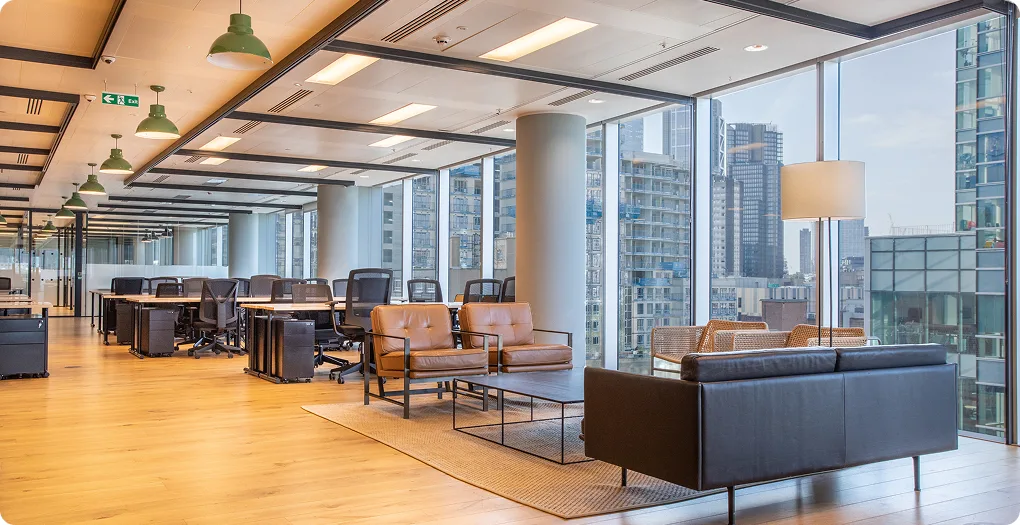
The provider oversees the operations, allowing companies to focus entirely on their core business activities without worrying about utilities, cleaning, or administrative tasks.
What makes managed offices stand out is the ability to combine customization with operational support. Companies can design a space that reflects their brand identity while benefiting from the efficiency of professional management. Managed offices often cater to businesses that have outgrown coworking spaces but do not want to commit to the complexities of a traditional long-term lease.
Why Managed Offices are Becoming Popular
The demand for managed offices is growing rapidly, driven by workplace trends such as hybrid work, global expansion, and the need for cost efficiency. Companies today want spaces that can evolve with them, whether they are scaling teams, entering new markets, or accommodating remote and in-office employees.
Another driver is the ability to access prime business locations without heavy upfront investment. Managed office providers often secure premium addresses in major business hubs, giving tenants the prestige of a corporate address without the burden of managing the property themselves. The combination of flexibility, reduced operational risks, and professional branding opportunities makes managed offices an increasingly popular choice.
Core Features of Managed Offices
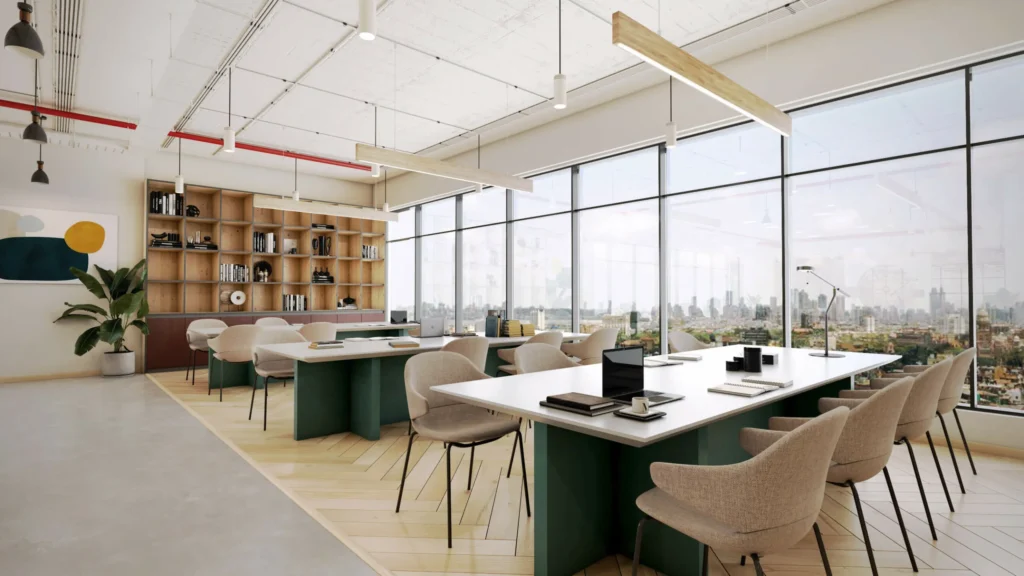
Managed offices come with a wide range of features that simplify the process of setting up and running a workplace. These typically include:
- Fully furnished and customized workspaces designed for the tenant
- IT infrastructure, including secure networks and high-speed internet
- Professional reception, mail handling, and administrative support
- Meeting rooms and breakout spaces es equipped with modern technology
- Facility management services such as cleaning, utilities, and security
- Flexible lease terms and transparent pricing models
These features allow businesses to operate smoothly from day one, with the confidence that operational details are being professionally managed.
Real-World Examples of Managed Offices
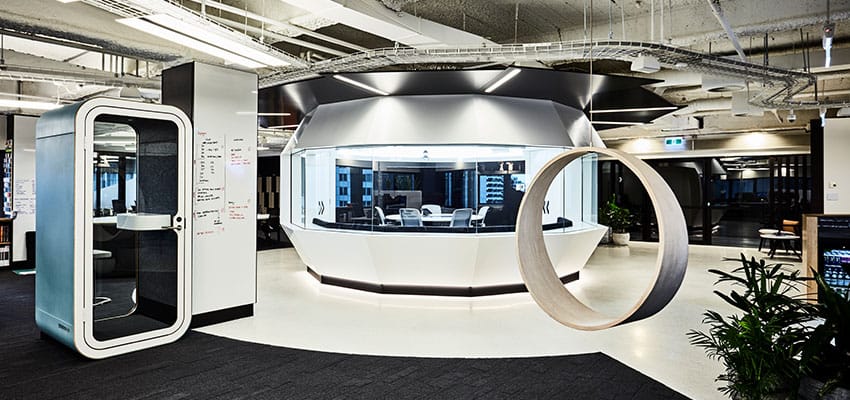
Example 1: Landmark Offices
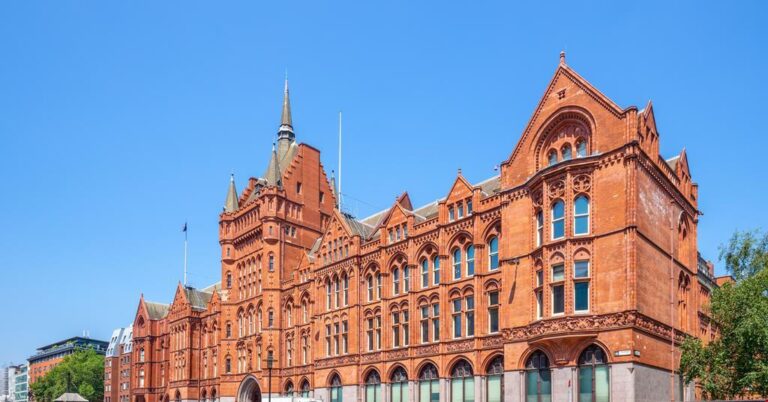
Landmark provides premium managed office solutions across the UK. Their spaces are designed to be fully customizable, with options for private floors or entire buildings tailored to company needs.
Businesses working with Landmark benefit from high-quality amenities such as modern meeting rooms, breakout lounges, and top-tier IT infrastructure. The appeal lies in the ability to occupy a fully branded, private office while Landmark handles all day-to-day management responsibilities.
Example 2: BE Offices
BE Offices specializes in offering flexible, managed office solutions that are tailored to both small businesses and larger enterprises. Their offices come with fully integrated IT services, ergonomic furniture, and in-house management teams.
What makes BE Offices stand out is their focus on sustainability and wellness. Many of their offices incorporate natural light, green spaces, and employee well-being initiatives. This makes them particularly appealing to companies that want a balance between productivity and a healthy work environment.
Example 3: The Office Group (TOG) Managed Solutions
The Office Group provides managed offices that combine creative design with functional practicality. Each office is uniquely styled, offering a customized look while still being fully managed by TOG’s operations team.
Companies choosing TOG enjoy flexibility in both space and services, making it easy to adapt as business needs evolve. This approach shows how managed offices can combine branding and functionality seamlessly.
Example 4: Knotel Managed Offices
Knotel offers global managed office solutions with a focus on adaptability and scalability. Their spaces are often tailored to enterprise-level clients who need multiple offices across different regions.
Knotel’s managed offices are designed to reflect the identity of each company, allowing businesses to project their culture while outsourcing all facilities management. This is particularly beneficial for fast-growing firms and global organizations expanding into new markets.
Benefits of Managed Offices with Technology Integration
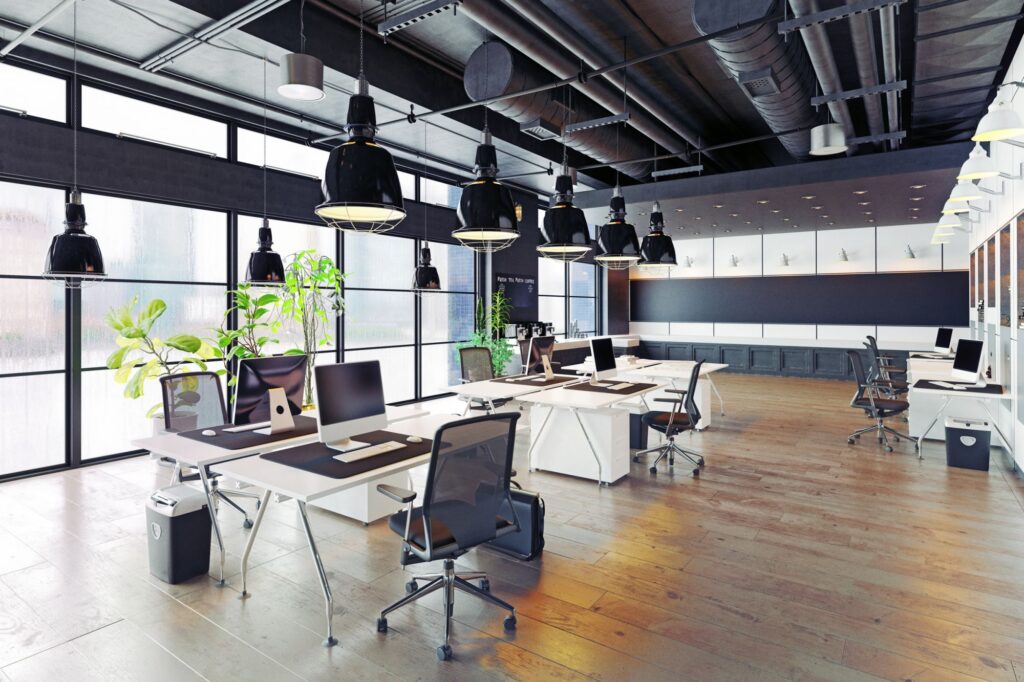
Technology is one of the strongest enablers in managed office solutions, ensuring efficiency, connectivity, and security for modern businesses.
- Smart IT Infrastructure: Managed offices include secure networks, cloud systems, and IT support, removing the need for in-house teams to manage connectivity issues.
- Automation and Access Control: From digital entry systems to automated booking platforms for meeting rooms, technology makes managed offices easier to use and safer.
- Collaboration Tools: Video conferencing systems, smart whiteboards, and hybrid meeting technologies ensure seamless collaboration across distributed teams.
- Cybersecurity Measures: With managed IT support, companies benefit from enterprise-level security, protecting data and digital communications.
This technology-driven foundation enables businesses to operate globally, scale effectively, and maintain productivity in hybrid and digital-first environments.
Practical Use Cases of Managed Offices
Use Case 1: Scaling Startups Transitioning from Coworking Spaces
Startups that outgrow coworking spaces often look for managed offices to establish their own identity. Managed offices provide them with private, branded environments while still keeping flexibility and operational support intact.
Use Case 2: Corporations Expanding into New Regions
Global enterprises use managed offices to enter new markets quickly. With customized spaces in strategic locations, they can establish a presence without dealing with property management complexities.
Use Case 3: Hybrid and Distributed Teams
Managed offices support hybrid work by providing private spaces that can be customized for in-office collaboration while still supporting remote connectivity. This ensures productivity for teams working across multiple locations.
Use Case 4: Project-Specific Operations
Firms running temporary projects,s uch as consulting companies or IT solution providers, benefit from managed offices because they can set up dedicated spaces for specific time frames, with all services included.
Advantages of Managed Offices
Managed offices offer a wide range of advantages that cater to diverse business needs:
- Customization: Spaces are tailored to reflect brand identity and operational requirements.
- Efficiency: Providers manage daily operations, freeing businesses from administrative tasks.
- Flexibility: Lease terms are adaptable, making it easier to scale up or down.
- Prestige: Offices are often located in prime business districts, enhancing client perception.
- Employee Well-Being: Many managed offices incorporate design elements that improve productivity and work-life balance.
Frequently Asked Questions
1. How are managed offices different from serviced offices?
Managed offices are private, customized spaces created for a single business, while serviced offices often include shared facilities and standardized layouts. Managed offices provide more branding flexibility and exclusivity.
2. Are managed offices cost-effective?
Yes, managed offices are cost-effective because they eliminate upfront capital investment in furniture, IT, and maintenance. Costs are consolidated into a single contract, making budgeting simpler.
3. Who should consider using managed offices?
Managed offices are ideal for scaling startups, corporations entering new markets, project-based teams, and companies seeking branded, private spaces without the hassle of property management.