Understanding CVS Lease Agreements: Insights for Investors and Property Owners
When it comes to retail real estate, few tenants carry as much weight as CVS Pharmacy. With over 9,000 locations across the United States, CVS is one of the most recognized and stable tenants in the net lease market. A CVS lease represents not only a reliable rental income stream for landlords but also a long-term partnership with one of the largest healthcare and retail pharmacy chains in the nation.
For investors, CVS leases are considered “blue-chip” opportunities because of the company’s strong credit rating, consistent consumer demand, and long-term lease structures. Property owners benefit from stable income with minimal management responsibilities, making these leases highly attractive compared to other retail tenants.
Key Features of a CVS Lease
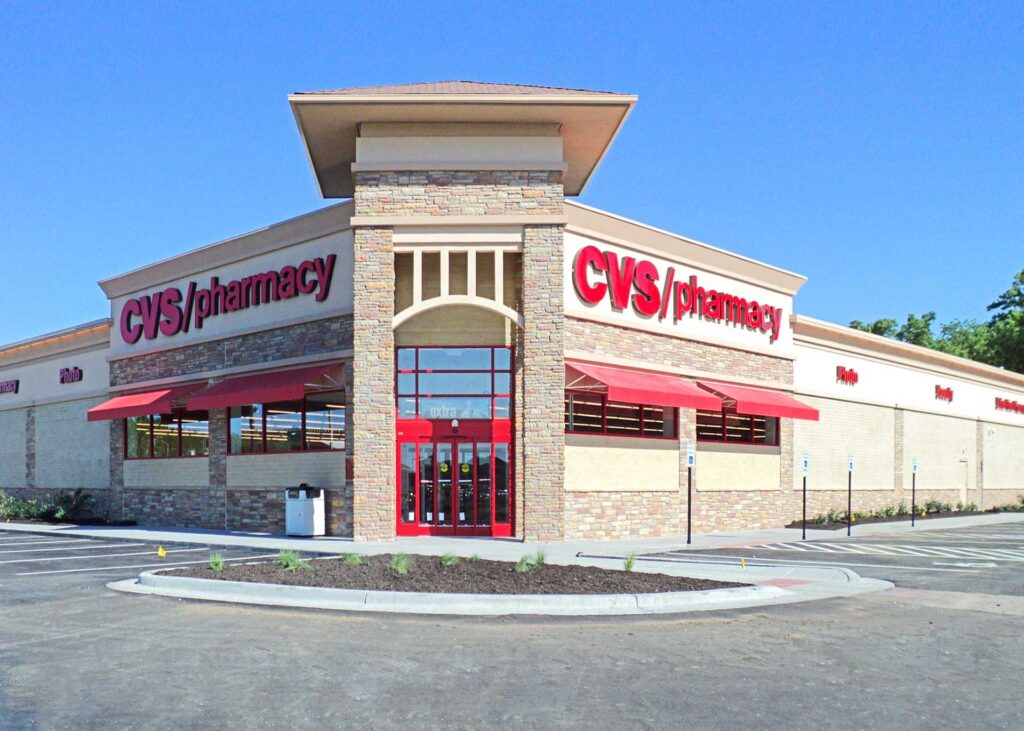
A CVS lease typically comes in the form of a triple net lease (NNN), where the tenant CVS is responsible for property taxes, insurance, and maintenance. This structure provides landlords with passive income and very limited operational responsibilities.
Lease terms are usually 20 to 25 years with options for multiple extensions. Rent escalations are often built into the agreements, ensuring that property owners see income growth over time. Additionally, CVS often prefers standalone buildings with drive-thru services, strategically located in high-traffic areas such as suburban neighborhoods and near hospitals.
These features make CVS leases highly predictable and desirable for investors seeking long-term stability. They offer security and consistency unmatched by many other retail tenants.
The Role of Technology in CVS Leases
Technology has become integral to the management and optimization of CVS lease properties. Property owners and investors now rely on digital lease management platforms to track rental income, tax payments, and property performance in real time.
Advanced GIS mapping tools help landlords and investors analyze CVS property locations, traffic flow, and demographic data. These insights ensure that lease properties continue to meet consumer demand.
Furthermore, AI-driven investment analysis tools enable owners to predict market trends, rental escalations, and property valuations. By leveraging these technologies, investors and property managers can make data-driven decisions that optimize returns and minimize risks associated with lease agreements.
Real-World Examples of CVS Lease Properties
Example 1: Suburban CVS with Drive-Thru Services
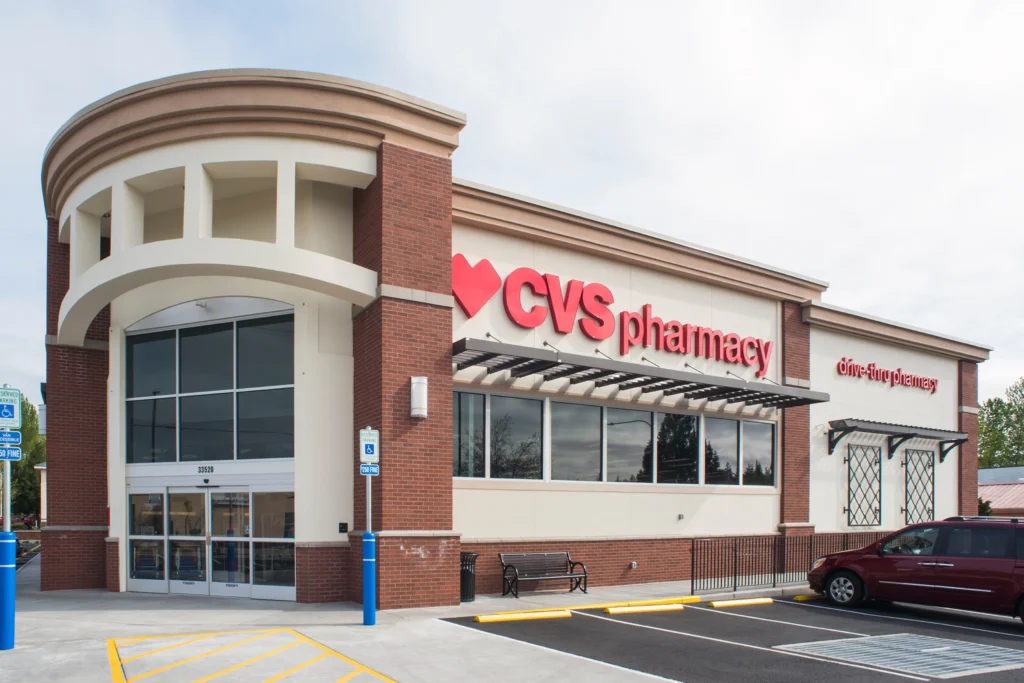
A suburban CVS location with a drive-thru pharmacy illustrates the strength of this lease type. Situated in a densely populated area, this property sees consistent customer traffic, ensuring reliable revenue streams. The lease included a 25-year NNN agreement, which provided the landlord with decades of passive income with minimal maintenance responsibilities.
This example shows why CVS is considered a stable tenant: its business model adapts to consumer needs by integrating convenience and healthcare services, which translates into stronger property performance.
Example 2: Urban CVS in a Mixed-Use Development

In a growing metropolitan area, CVS leased the ground floor of a mixed-use property that combined residential units and retail space. This strategic placement guaranteed a steady flow of customers from both the building’s residents and the surrounding neighborhood.
The landlord benefited from higher property values due to the presence of a nationally recognized anchor tenant. Additionally, the CVS lease added long-term security to the development, making it easier to attract other complementary tenants like coffee shops and fitness studios.
Example 3: Redevelopment of a Vacant Retail Site into a CVS
A developer acquired a vacant retail property in a suburban area and converted it into a CVS location. By securing a CVS lease, the property was revitalized, attracting foot traffic and supporting surrounding businesses.
The long-term lease structure allowed the property owner to stabilize income while enhancing the overall community by reintroducing essential services such as prescription fulfillment and healthcare products.
Example 4: CVS Near a Medical Center
A CVS lease property situated next to a large hospital highlighted the strategic nature of CVS’s real estate strategy. Patients, visitors, and healthcare professionals provided a steady customer base.
For the landlord, this property represented a high-value investment, as proximity to healthcare facilities significantly boosted the site’s long-term viability and tenant retention.
Benefits of Investing in CVS Lease Properties
One of the biggest advantages of CVS leases is income stability. With long-term agreements backed by a Fortune 500 company, landlords enjoy reliable cash flow with minimal risk of default.
Another key benefit is hands-off management. Since CVS leases are often structured as triple net leases, landlords have almost no responsibilities for maintenance or property-related expenses. This makes them ideal for investors who prefer passive real estate investments.
CVS’s strong market position and continuous adaptation to healthcare trends also ensure long-term tenant viability. Their expansion into healthcare services, prescription management, and retail convenience strengthens their role as a tenant, giving landlords confidence in their leases.
Additionally, CVS properties often increase the overall value of real estate portfolios, making them a strategic asset for institutional investors, REITs, and private landlords alike.
Use Cases: When CVS Leases Provide Solutions
Revitalizing Underutilized Retail Spaces
A CVS lease can transform an underperforming property into a profitable and community-serving location. This is especially true for properties in suburban neighborhoods where healthcare and pharmacy access are in demand.
Securing Passive Income for Long-Term Investors
Investors seeking dependable, long-term returns turn to CVS leases as a secure option. The triple net structure removes the burden of ongoing expenses, creating a truly passive income stream.
Enhancing Mixed-Use and Community Developments
Developers often use CVS leases to anchor mixed-use projects or community centers. The presence of a CVS draws consistent foot traffic, benefiting surrounding tenants and strengthening the overall development.
Portfolio Diversification for Real Estate Investors
For investors building a diversified portfolio, CVS leases provide exposure to the healthcare and retail pharmacy sector. This balances portfolios that may otherwise rely too heavily on office, residential, or industrial assets.
Frequently Asked Questions
1. What is a CVS lease, and why is it attractive to investors?
A CVS lease is a long-term rental agreement where CVS Pharmacy occupies a property, usually under a triple net structure. It is attractive because it provides stable, passive income backed by a strong corporate tenant.
2. How long are CVS lease agreements typically?
Most CVS leases are structured for 20 to 25 years with built-in rent escalations and multiple renewal options. This creates long-term income stability for property owners.
3. Do CVS leases require landlords to handle property maintenance?
No. Most CVS leases are triple net (NNN), which means the tenant is responsible for taxes, insurance, and maintenance. Landlords typically have minimal management responsibilities.