How to Invest in Retail Property: A Complete Guide to Opportunities and Benefits
Retail property investment has long been considered one of the most stable and profitable avenues within commercial real estate. From shopping centers and strip malls to standalone retail stores, retail properties provide investors with consistent rental income and the potential for long-term capital appreciation.
Unlike residential real estate, retail investments often come with long-term leases, ensuring a steady cash flow for years. Furthermore, the sector is evolving with technology, consumer behavior, and urban development trends, creating new opportunities for savvy investors.
For anyone considering how to invest in retail property, understanding its fundamentals, benefits, and use cases is essential.
Why Retail Property Investment Matters
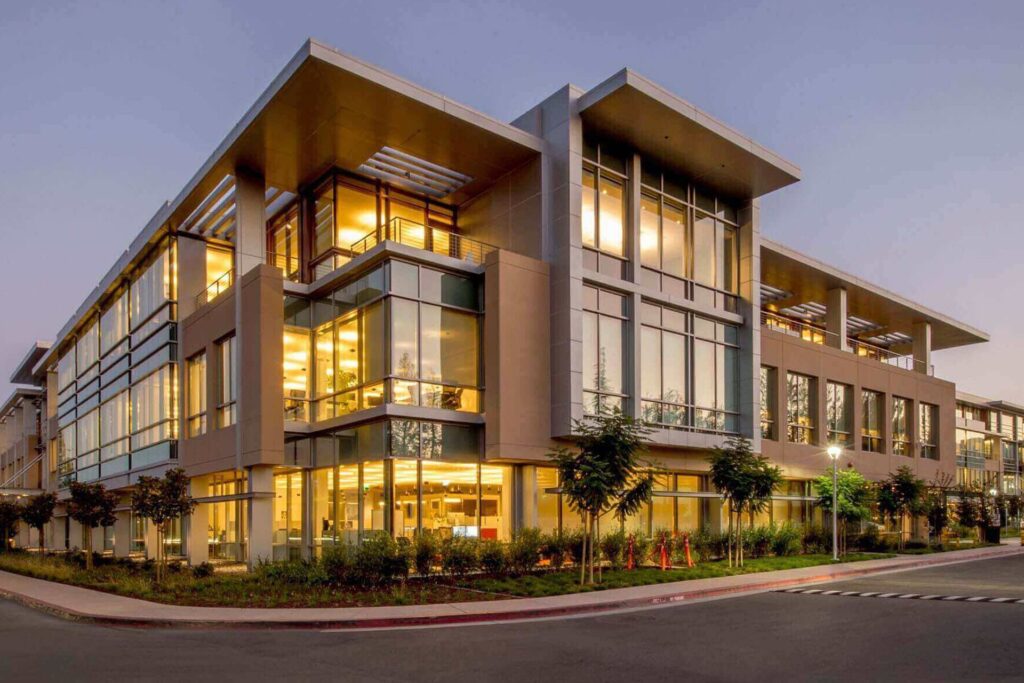
Retail property is a cornerstone of local economies. These spaces not only provide businesses with a place to sell goods but also serve as social and community hubs. As consumer demand shifts, retail property adapts, offering investors a chance to be part of a dynamic market.
Investors are drawn to retail property because of its ability to balance security and growth. While market fluctuations exist, essential retail such as grocery stores, pharmacies, and convenience outlets remain resilient. This makes retail properties particularly attractive during uncertain economic cycles.
Key Benefits of Investing in Retail Property

Steady Rental Income
Retail properties often operate under longer lease agreements compared to residential properties. A supermarket or a pharmacy, for example, may sign a 10- to 15-year lease. This ensures predictable rental income, giving investors financial stability.
Capital Appreciation
Well-located retail properties in growing areas tend to appreciate over time. As urban centers expand and consumer spending increases, properties situated in prime locations benefit from higher demand and stronger valuations.
Diversification in Investment Portfolio
Investing in retail property allows investors to diversify beyond stocks, bonds, or residential real estate. A strong retail property portfolio can act as a hedge against inflation and other market risks.
Tenant Responsibility for Costs
In many retail leases, tenants are responsible for a portion of operating expenses such as maintenance, insurance, and property taxes. This reduces the financial burden on the landlord and increases net returns.
The Role of Technology in Retail Property Investment

Technology is reshaping the way investors analyze, purchase, and manage retail properties.
- Data Analytics: Investors can use data-driven insights to predict consumer demand, foot traffic, and neighborhood growth trends.
- Virtual Tours: High-resolution 3D tours allow investors to evaluate properties remotely.
- Property Management Software: Automating tasks like rent collection, maintenance requests, and tenant communication reduces administrative overhead.
- Sustainability Tracking: Technology also enables monitoring of energy usage and environmental impact, increasing property appeal to eco-conscious tenants.
By integrating technology, retail property investments become more transparent, efficient, and future-proof.
Real-World Examples of Retail Property Investment
Shopping Centers
Large shopping centers are prime retail property investments. They house multiple tenants, from fashion outlets to restaurants, creating diversified income streams.
An example is the investment in suburban shopping complexes that attract steady traffic from nearby residential communities. These centers tend to perform well because they combine necessity retail (like supermarkets) with discretionary shopping, ensuring resilience in both good and challenging economic conditions.
Standalone Retail Stores
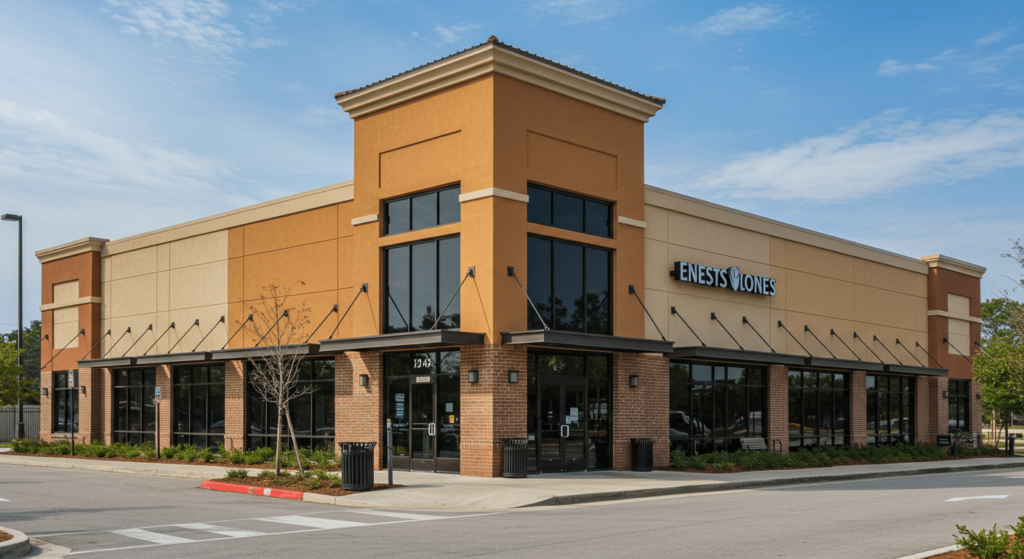
Standalone properties leased to strong national brands such as pharmacies, fast-food restaurants, or banks are highly sought after. These properties typically come with long-term leases and established tenants with strong financial backing.
Investors appreciate the stability and predictability that standalone retail assets bring. They often require less management since a single tenant occupies the space, yet the returns are competitive with larger complexes.
Strip Malls and Retail Parks
Strip malls and retail parks are smaller clusters of shops located in suburban or regional areas. They usually cater to daily needs with tenants such as bakeries, gyms, and small grocery stores.
These investments are attractive because of lower entry costs compared to larger shopping centers. They also offer multiple tenants, which spreads risk in case one business vacates.
Mixed-Use Developments
Modern urban planning often incorporates mixed-use developments that combine retail, residential, and office spaces. Retail investors benefit by owning units within these developments, which guarantee built-in foot traffic from residents and office workers.
This type of investment is particularly appealing in growing metropolitan areas where lifestyle-driven communities thrive. The blend of retail with other property types creates a self-sustaining ecosystem of demand.
High-Street Retail Properties
Properties located in busy city centers or along major shopping streets provide excellent exposure and consistent traffic. Though these investments often come at a higher cost, the potential for premium rents and brand visibility is unmatched.
Investors targeting luxury or boutique retailers find high-street properties particularly rewarding. These locations often appreciate faster due to their scarcity and iconic positioning in the heart of urban areas.
Use Cases: Why People Invest in Retail Property
Solving the Problem of Volatile Cash Flow
For investors tired of inconsistent returns from stock markets, retail property provides a steady income stream. Long-term leases with reputable tenants reduce volatility and ensure stability.
Meeting Community Needs
Retail properties such as grocery stores, pharmacies, and medical centers serve essential community functions. Investing in these ensures both financial returns and social value by meeting everyday consumer needs.
Capitalizing on Urban Growth
As cities expand, retail hubs become focal points of new communities. Investors who acquire retail property in emerging suburbs benefit from rising demand, higher rental yields, and future capital appreciation.
Protecting Against Inflation
Retail leases often include clauses that tie rental increases to inflation or consumer price indices. This ensures that investors’ returns grow in line with the cost of living.
Practical Benefits of Retail Property Investment
Investors who choose to put money into retail property can expect:
- Long-Term Financial Security: Predictable rental streams provide stability for retirement planning or reinvestment.
- Tangible Asset Value: Unlike paper assets, retail properties are physical and provide inherent value.
- Resilience Against Market Cycles: Necessity retail ensures performance even during downturns.
- Growth Opportunities: Urban development and lifestyle changes constantly create new demand for retail spaces.
Frequently Asked Questions
1. Is retail property a good investment in 2025?
Yes. Despite the rise of e-commerce, physical retail remains crucial, especially for essential goods, dining, and community-driven experiences. Retail properties in strategic locations continue to provide stable returns.
2. What types of retail properties are best for new investors?
Smaller retail properties such as strip malls, standalone stores, or units in mixed-use developments are often ideal starting points due to their lower costs and manageable tenant mix.
3. How risky is it to invest in retail property compared to other real estate?
While all investments carry some risk, retail property is generally less volatile due to long-term leases and essential service tenants. However, location and tenant quality remain critical to reducing risk.