The Role of a Retail Real Estate Agent in Modern Commercial Property Success
A retail real estate agent plays a crucial role in connecting landlords, tenants, and investors in the commercial property sector. Unlike general real estate agents, their specialization lies in the retail segment of the market, where location, tenant mix, and consumer behavior are fundamental to success.
The demand for skilled retail real estate agents has grown as shopping trends evolve. With the rise of e-commerce, shifting urban demographics, and consumer demand for experiential retail, these agents have become more than just intermediaries; they are advisors who help shape long-term strategies for property owners and businesses.
Responsibilities of a Retail Real Estate Agent
The responsibilities of a retail real estate agent extend far beyond showing available spaces. One of their primary roles is to assess and market retail properties effectively. This involves analyzing consumer traffic, demographic data, and the surrounding competitive landscape to position a property for success.
They also act as skilled negotiators. Retail leases are complex agreements that go beyond rent. They include factors like tenant improvement allowances, exclusivity clauses, and co-tenancy arrangements. A retail real estate agent ensures that landlords and tenants reach fair and mutually beneficial terms.
Another responsibility is tenant selection and placement. Agents understand that the right mix of tenants drives foot traffic and profitability. For example, placing a coffee shop near a bookstore can increase customer cross-traffic. This strategic thinking is a core part of their value.
The Role of Technology in Retail Real Estate

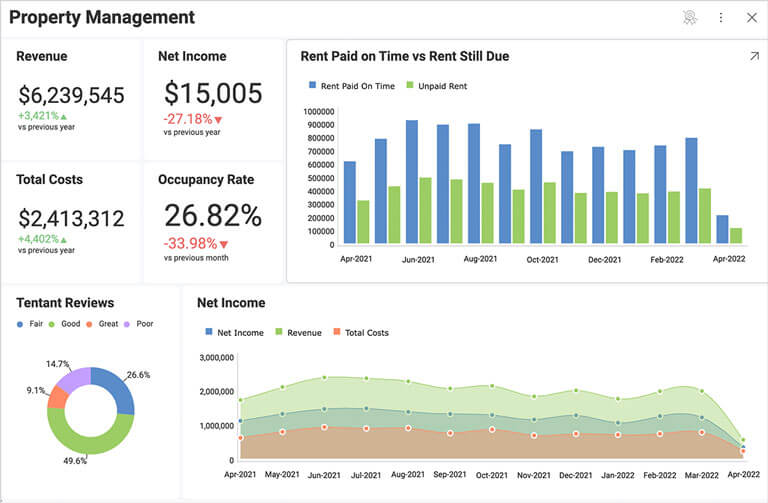
Technology has transformed the retail real estate agent’s role. Data analytics tools allow agents to assess neighborhood demographics, consumer spending patterns, and foot traffic with unprecedented accuracy. These insights help agents match the right tenants to the right properties.
Virtual tours and 3D visualization platforms have also become essential. They allow clients to explore properties remotely, reducing time and costs associated with physical viewings. This is especially important for international brands looking to expand into new markets.
Additionally, AI-powered predictive analytics are helping agents anticipate trends in rental pricing, vacancy risks, and consumer shifts. This enables both landlords and tenants to make informed, future-focused decisions with confidence.
Real-World Examples of Retail Real Estate Agents in Action
Example 1: Revitalizing a Community Shopping Center

A retail real estate agent helped reposition an underperforming community shopping center. Instead of filling vacancies with traditional retailers, the agent recommended introducing experiential tenants such as gyms, cafés, and wellness studios. This created a new hub of activity that attracted more foot traffic, increased lease renewals, and boosted the property’s value.
Example 2: Supporting a Brand’s Market Expansion

An international fashion brand wanted to enter the U.S. market but lacked local knowledge. A retail real estate agent provided insights into prime retail corridors, competitive analysis, and lease negotiation strategies. By placing the brand in high-visibility locations, the agent enabled a successful launch and long-term presence in the market.
Example 3: Negotiating Favorable Lease Terms for a Start-Up
A retail start-up sought its first physical store but was concerned about costs. The retail real estate agent negotiated tenant improvement allowances and rent abatement for the first months. This made the lease affordable, reduced upfront risks, and gave the start-up time to establish itself.
Example 4: Mixed-Use Development Leasing Strategy
For a mixed-use project in a growing urban area, a retail real estate agent designed a leasing strategy that combined essential services with lifestyle tenants. This tenant mix enhanced the property’s appeal for both residents and visitors, increasing overall occupancy rates and profitability.
Example 5: Outlet Center Tenant Placement
An outlet center needed a stronger retail mix to compete with nearby malls. A retail real estate agent introduced popular athleisure and lifestyle brands, creating a fresh tenant lineup that resonated with modern shoppers. Sales rose, and the outlet regained its competitive position.
Benefits of Working with a Retail Real Estate Agent
The benefits of hiring a retail real estate agent are substantial for both landlords and tenants. For landlords, agents provide market positioning expertise that ensures properties attract tenants aligned with consumer demand. They reduce risks of prolonged vacancies and strengthen rental income streams.
For tenants, the key benefit lies in strategic representation. Retail real estate agents secure favorable terms, find locations with strong customer bases, and help businesses avoid costly mistakes.
Another advantage is time efficiency. Agents manage the complex processes of site selection, market research, and negotiations, allowing clients to focus on their core business operations.
Finally, agents deliver long-term value. By considering not just immediate leasing needs but also broader business goals, they help clients establish sustainable and profitable real estate strategies.
Use Cases: When Retail Real Estate Agents Are Essential
Entering a New Market
When retailers expand into new regions, agents provide insights into demographics, cultural preferences, and competition, ensuring that expansion is both strategic and profitable.
Repositioning Underperforming Properties
Landlords with vacant or underutilized retail spaces rely on agents to reimagine their properties. This may involve introducing dining, entertainment, or lifestyle tenants to attract new customer segments.
Negotiating Complex Leases
Retail leases often include clauses that can impact a tenant’s long-term success. Agents ensure these terms are understood and negotiated fairly to protect both parties’ interests.
Supporting Small Businesses
Small business owners often lack experience in real estate negotiations. Retail real estate agents help them secure affordable leases, reducing risks and enabling business growth.
Frequently Asked Questions
1. How is a retail real estate agent different from a commercial real estate agent?
A retail real estate agent specializes specifically in retail properties, focusing on tenant placement, leasing, and market positioning within shopping centers, malls, and high-street locations. Commercial real estate agents may cover a wider scope, including office and industrial properties.
2. Why should landlords hire a retail real estate agent?
Landlords benefit from agents’ market insights, tenant networks, and negotiation skills. This ensures properties are leased quickly, strategically, and in alignment with consumer demand.
3. What value do retail real estate agents bring to tenants?
Agents help tenants secure prime locations, negotiate fair lease terms, and make informed decisions that support their long-term growth and profitability.