Serviced Office Space: Complete Guide, Benefits, and Real-World Examples
The world of work is changing rapidly, with flexibility and efficiency becoming more important than ever. One of the most popular solutions that has emerged to meet these demands is serviced office space. Unlike traditional office leases, serviced offices provide fully equipped and managed work environments on flexible terms. This allows businesses of all sizes, startups, SMEs, and global corporations to operate efficiently without the overhead and hassle of managing their own premises.
A serviced office typically comes with ready-to-use furniture, high-speed internet, reception services, meeting rooms, and administrative support. By providing a turnkey solution, serviced offices make it easy for companies to focus on their operations from day one. For modern businesses seeking agility, prestige, and convenience, serviced office space has become an indispensable resource.
What is Serviced Office Space?
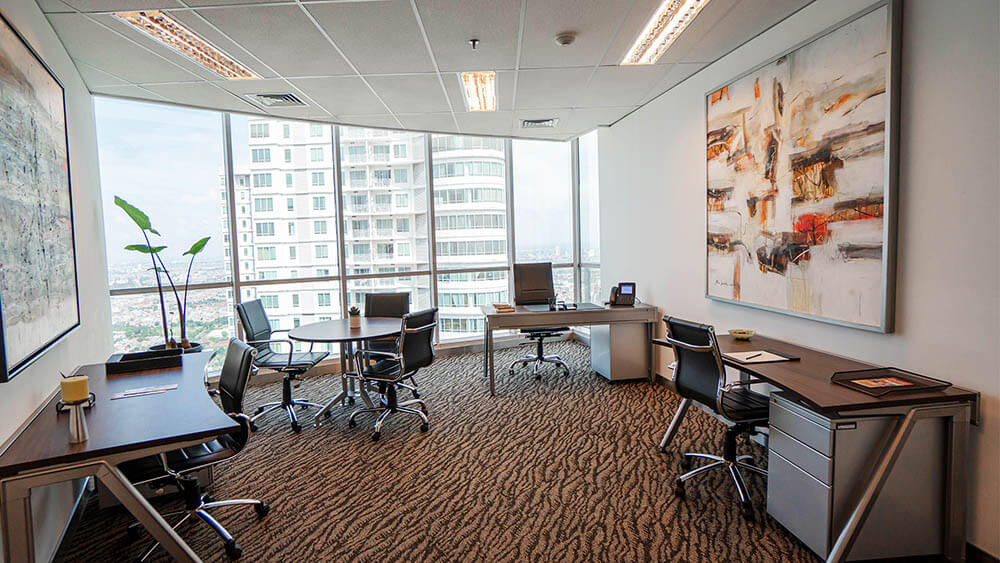
Serviced office space refers to a workspace that is managed and maintained by a third-party provider, offering businesses everything they need to operate in one package. This can include fully furnished private offices, coworking areas, shared facilities, IT infrastructure, and reception support.
The primary appeal of serviced offices lies in their flexibility. Companies can rent spaces for short-term projects or longer-term operations without committing to lengthy leases. In addition, these offices are often located in prime business districts, giving companies the benefit of prestigious addresses that enhance their brand credibility.
Why Serviced Office Space is Popular Among Businesses
The popularity of serviced office space has grown significantly due to shifting workplace trends. With the rise of hybrid working, remote teams, and global expansion, businesses require flexible workspaces that adapt to their needs. Serviced offices offer a professional environment without the fixed overhead costs of traditional leasing.
Another reason is scalability. Businesses can expand or downsize quickly, depending on market conditions. For instance, startups can begin with a small private office and scale into larger spaces as they grow. Multinational corporations can establish satellite offices in new cities using serviced offices without committing large amounts of capital.
Key Features of Serviced Office Space
Serviced office spaces are designed to simplify business operations by including essential services and amenities under one agreement. Some of the most common features include:
- Fully furnished offices with ergonomic desks and chairs
- High-speed internet and modern IT infrastructure
- Professional reception and mail-handling services
- Meeting and conference rooms with AV technology
- Breakout areas, lounges, and kitchens for employees
- Cleaning, security, and facility management
- Flexible contracts tailored to company needs
These features enable businesses to move in and start working immediately, eliminating the delays and costs associated with setting up a traditional office.
Real-World Examples of Serviced Office Space
Example 1: Regus Serviced Offices
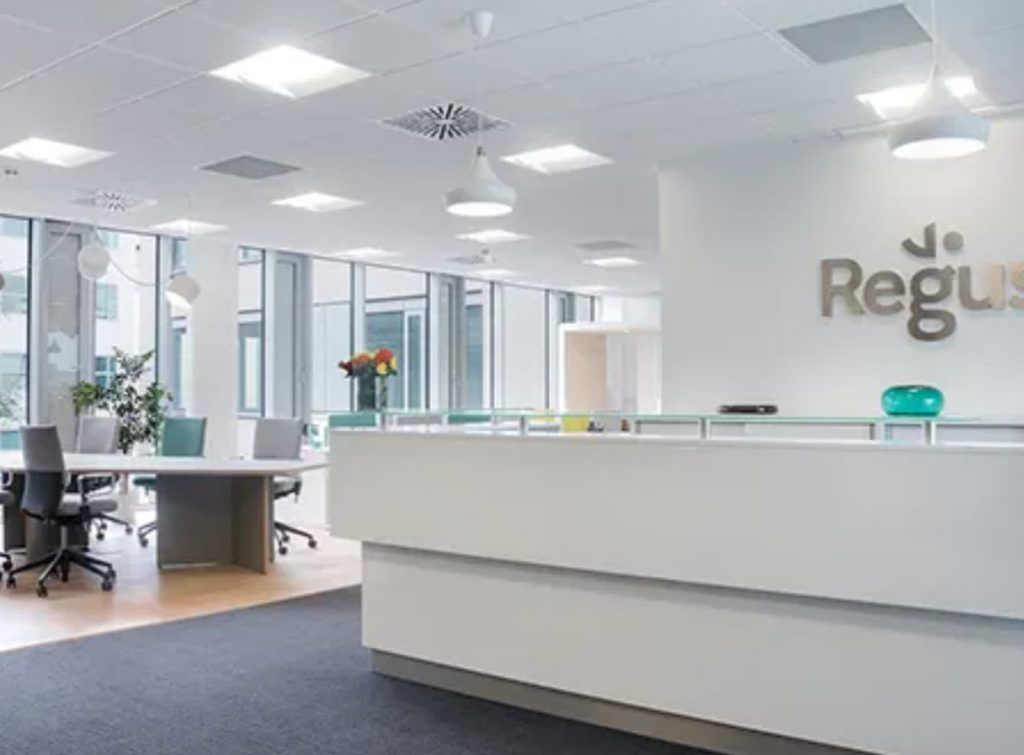
Regus, one of the most recognized workspace providers, has locations across the globe offering fully managed serviced offices. Their offices include furnished private rooms, coworking areas, and access to professional meeting rooms.
The strength of Regus lies in its scale and flexibility. Businesses can operate from almost any major city in the world while enjoying consistent services and infrastructure. This makes it especially attractive to multinational corporations and consultants who require global reach with local presence.
Example 2: WeWork Serviced Offices
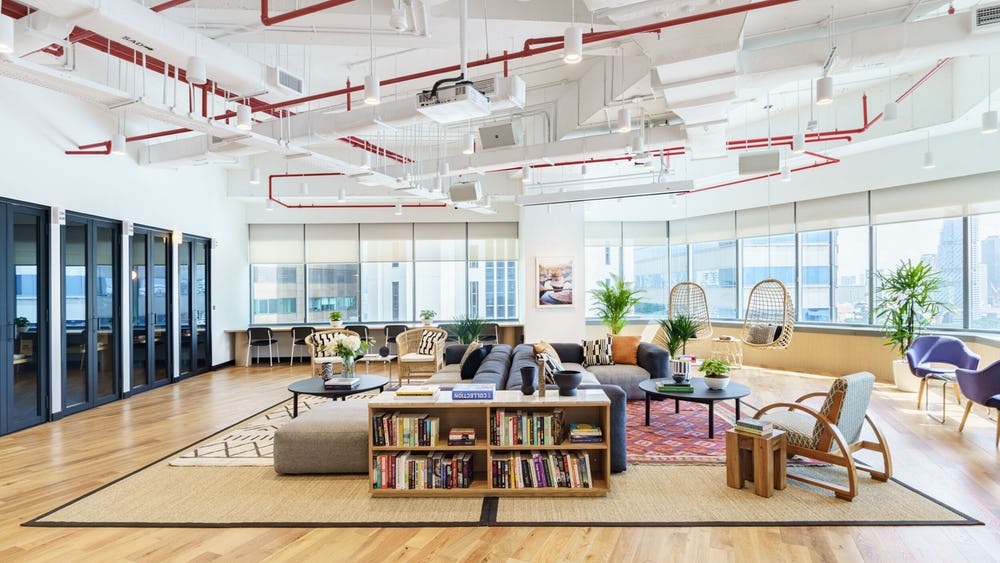
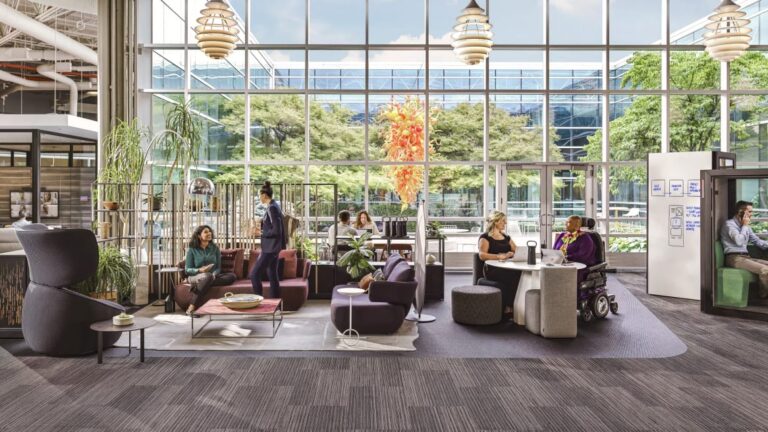
WeWork is known for creating modern, design-focused office spaces that combine flexibility with community. Their serviced office spaces often feature open layouts, stylish furniture, wellness zones, and event spaces.
What sets WeWork apart is its focus on community and collaboration. Startups, freelancers, and creative agencies often thrive in WeWork’s environments, which are designed to encourage networking and partnerships. In addition to the standard amenities, WeWork integrates cultural programming and social events, making it more than just a workplace.
Example 3: The Office Group (TOG)
The Office Group blends contemporary design with managed office services, offering fully equipped offices in prime city locations. Their serviced offices often include wellness initiatives, natural lighting, and eco-friendly design elements.
TOG appeals to businesses that value sustainability and employee well-being. Their approach demonstrates how serviced offices can influence not only productivity but also company culture. With wellness programs, quiet zones, and flexible layouts, TOG shows the diversity of what serviced offices can offer.
Example 4: The Argyll Club
The Argyll Club provides high-end serviced office space in prestigious London locations, including Mayfair and Green Park. Their offices are designed with luxury in mind, often located in historic buildings with elegant interiors.
This option is particularly attractive to law firms, financial consultancies, and private equity companies that prioritize discretion and prestige. With concierge-level services and premium meeting rooms, The Argyll Club delivers a serviced office model tailored to high-profile industries.
Benefits of Serviced Office Space with Technology Integration

Technology plays a central role in the appeal of serviced office spaces. Providers ensure that businesses are equipped with modern tools that enhance efficiency and collaboration.
- Connectivity: High-speed internet and reliable Wi-Fi allow seamless operations, supporting everything from video conferencing to global communications.
- Smart Office Systems: Digital access controls, booking apps for meeting rooms, and energy-efficient systems make workplaces smarter and easier to manage.
- Hybrid Support: Video conferencing technology, cloud-based platforms, and IT support ensure that hybrid teams remain connected and productive.
- Cybersecurity: Serviced offices often include professional IT support and cybersecurity systems, protecting businesses from digital risks.
These technology-driven benefits ensure that companies remain competitive while reducing operational challenges.
Practical Use Cases of Serviced Office Space
Use Case 1: Startups Seeking Professional Environments
Startups often lack the resources to set up their own offices. Serviced office space provides them with professional addresses, administrative support, and collaborative environments without high upfront costs.
Use Case 2: Multinational Corporations Expanding into New Markets
Global companies use serviced office spaces to establish local offices in new cities. This allows them to operate quickly without waiting for traditional office setups. The flexibility also ensures they can adjust based on performance and market conditions.
Use Case 3: Hybrid and Remote Workforce Solutions
Serviced offices are ideal for companies with hybrid teams, offering hot desks, private offices, and meeting spaces that employees can use as needed. This ensures collaboration without requiring a permanent traditional office.
Use Case 4: Project-Based Teams
Consulting firms, creative agencies, and IT companies often require temporary spaces for projects. Serviced office spaces give them the ability to set up professional environments for specific durations without long-term commitments.
Advantages of Choosing Serviced Office Space
Serviced office spaces provide a wide range of benefits that make them suitable for businesses across industries:
- Flexibility: Adaptable contracts for both short-term and long-term needs.
- Cost Savings: Eliminates the need for large investments in furniture, IT, and staffing.
- Prestige: Prime locations enhance brand image and client perception.
- Networking: Shared environments encourage collaboration and partnerships.
- Focus on Core Business: Providers manage daily operations, allowing businesses to focus on growth.
Frequently Asked Questions
1. What is the difference between serviced office space and coworking space?
Serviced office space usually offers private, fully furnished offices with additional services such as reception and administrative support. Coworking spaces emphasize open layouts and community-driven environments.
2. Are serviced offices suitable for small businesses?
Yes, serviced offices are ideal for small businesses and startups. They provide professional environments without large upfront costs, making them accessible and practical.
3. How do serviced office spaces support hybrid working?
Serviced office spaces are designed for flexibility. With private offices, hot desks, and meeting rooms, they allow hybrid teams to collaborate effectively while accommodating remote work arrangements.