Top Coworking Spaces: Complete Guide, Examples, Benefits, and Use Cases
Coworking spaces have become one of the most transformative trends in the modern workplace. From freelancers and startups to large corporations, businesses across the globe are leveraging coworking solutions to access flexible, affordable, and community-driven office environments. The term “top coworking spaces” refers to those providers who not only deliver functional workplaces but also create ecosystems that encourage innovation, collaboration, and growth.
Unlike traditional offices, coworking spaces are built around the idea of shared infrastructure, making them more cost-effective and dynamic. However, the best coworking spaces go beyond providing desks and Wi-Fi; they integrate design, technology, community engagement, and scalability to meet the needs of modern professionals.
What Defines a Top Coworking Space?

The distinction between an ordinary coworking space and a top coworking space lies in the range of features and the experience offered to members. While all coworking facilities provide basic office amenities, the top-tier ones are curated environments designed to boost productivity and collaboration.
Key elements that define top coworking spaces include premium locations, high-speed internet, ergonomic workstations, meeting rooms equipped with modern technology, and additional amenities like event spaces, gyms, or cafés. These environments are not just about work—they create a holistic professional experience that balances productivity with networking opportunities.
Why Coworking Spaces Are Growing in Popularity
The rise of remote work, digital entrepreneurship, and hybrid work models has driven massive growth in the coworking industry. More businesses are choosing coworking because it allows them to scale easily without being tied down to traditional long-term leases.
Additionally, coworking offers community-based advantages. Professionals can connect with like-minded individuals, attend workshops, and build networks that might otherwise be difficult to access in traditional offices. The shared energy and innovation in top coworking spaces make them especially attractive to creative professionals, tech startups, and independent consultants.
Real-World Examples of Top Coworking Spaces
Example 1: WeWork
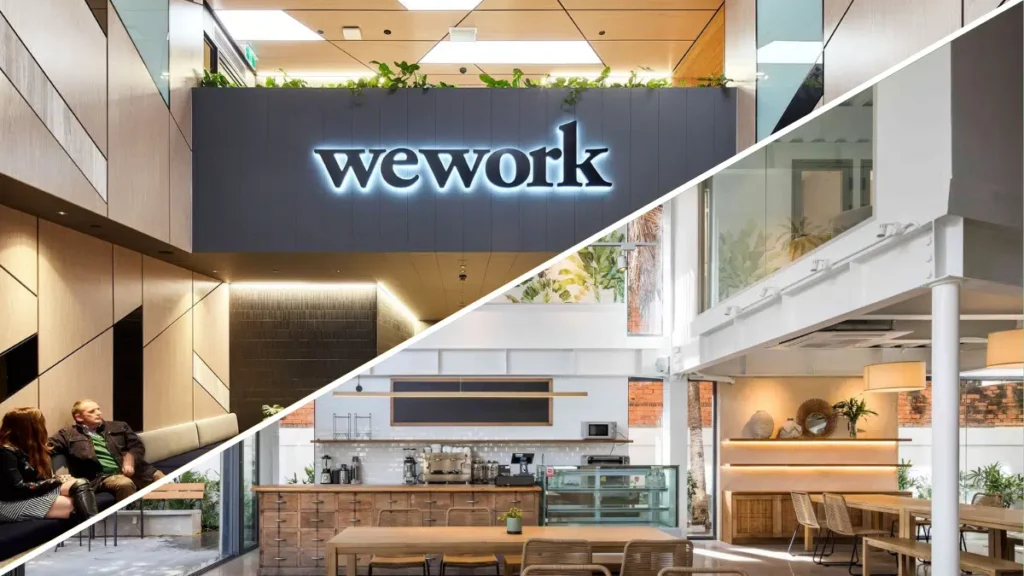
WeWork is one of the most recognized names in the coworking industry, with locations across major cities worldwide. Known for its stylish interiors, flexible membership options, and extensive global network, WeWork offers more than just office desks it provides access to an international community of professionals.
The company integrates technology to streamline booking, event management, and community interaction, ensuring that members feel connected both locally and globally. For startups, WeWork is particularly appealing due to its scalable options and collaborative environment.
Example 2: Regus
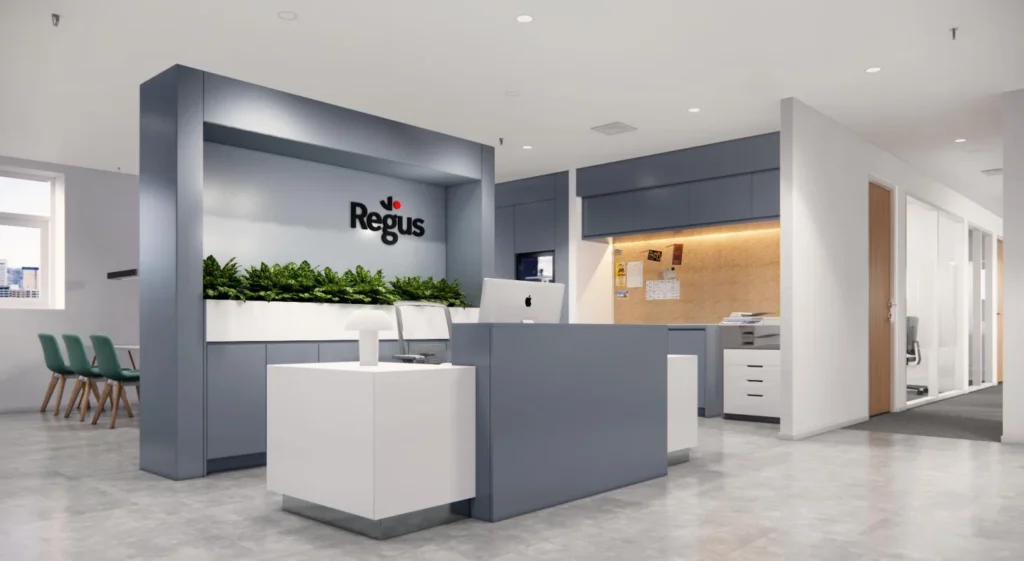
Regus operates as part of the International Workplace Group and is known for its extensive global reach. With coworking spaces in over 100 countries, Regus is a top choice for businesses that require mobility and international accessibility.
Unlike some other coworking brands, Regus caters to a wide range of professionals—from solo freelancers to corporate teams. Its coworking areas are equipped with premium IT infrastructure, private offices, and professional meeting spaces. For businesses that frequently operate internationally, Regus offers consistency and reliability across multiple locations.
Example 3: Impact Hub

Impact Hub is a global coworking network with a mission-driven focus. It attracts entrepreneurs, nonprofits, and startups that want to create positive social and environmental impact. Each location is community-centered, offering events, workshops, and collaboration opportunities designed to promote social innovation.
What sets Impact Hub apart is its emphasis on sustainability and community. Many of its spaces are designed using eco-friendly materials, and its events focus on global issues such as climate change, equality, and technology for good.
Example 4: The Wing

The Wing is a coworking space with a unique focus: empowering women professionals. Its locations feature thoughtfully designed interiors that combine functionality with aesthetics, and it offers services such as childcare, wellness programs, and networking events tailored for women.
This example shows how coworking spaces can go beyond general office services by targeting specific communities and professional needs. The Wing demonstrates how a top coworking space can combine social impact with work efficiency.
Benefits of Top Coworking Spaces with Technology Integration
Technology plays a crucial role in transforming coworking from simple shared offices into fully optimized work environments.
- Seamless Connectivity: High-speed internet, secure networks, and cloud-based platforms allow professionals to work without interruption.
- Smart Access Systems: Many top coworking spaces use app-based entry systems, allowing members to access buildings securely and conveniently.
- Digital Booking Platforms: Technology enables members to reserve meeting rooms, event spaces, and even desks through mobile apps.
- Collaboration Tools: Video conferencing, smart projectors, and digital whiteboards make hybrid and global collaboration smooth.
- Community Networking Apps: Some coworking brands use dedicated apps to connect members, fostering networking and professional opportunities across the community.
This seamless integration of technology ensures coworking members can focus on their work while enjoying the benefits of smart, well-managed environments.
Practical Use Cases of Top Coworking Spaces
Use Case 1: Freelancers Seeking Professional Environments
Freelancers often struggle with productivity when working from home. Top coworking spaces provide professional settings with reliable internet and fewer distractions, improving focus and efficiency.
Use Case 2: Startups and Entrepreneurs
Startups benefit from coworking spaces because they can scale quickly without committing to expensive leases. Coworking also provides networking opportunities, allowing entrepreneurs to connect with potential investors and collaborators.
Use Case 3: Corporate Teams Testing New Markets
Large corporations use coworking spaces to establish temporary or satellite offices in new markets. This gives them a local presence without the risks of long-term real estate commitments.
Use Case 4: Remote Workers and Digital Nomads
For digital nomads and remote workers, top coworking spaces offer a global solution. With international memberships, they can access professional offices anywhere in the world, ensuring productivity and consistency.
Use Case 5: Project-Based Teams
Businesses running short-term projects—such as marketing campaigns or consulting assignments—can use coworking spaces to house temporary teams. This avoids unnecessary overhead costs while still providing professional infrastructure.
Advantages of Choosing Top Coworking Spaces
Top coworking spaces provide numerous advantages that go beyond affordability.
- Flexibility: Members can choose daily, monthly, or long-term plans, adapting their workspace needs to business growth.
- Networking Opportunities: Shared spaces bring together professionals from diverse industries, sparking innovation and collaboration.
- Cost Savings: Shared infrastructure reduces overhead, especially compared to traditional office leases.
- Professional Environments: Modern design and premium locations improve productivity and create positive impressions for clients.
- Wellness and Lifestyle: Many coworking spaces integrate wellness programs, fitness areas, or cafés, enhancing overall work-life balance.
These benefits illustrate why top coworking spaces continue to attract a wide range of professionals.
Frequently Asked Questions
1. What makes a coworking space one of the “top” options?
A top coworking space provides more than just desks; it offers high-quality infrastructure, community engagement, technology integration, and professional support that enhance the overall work experience.
2. Are coworking spaces suitable for large companies?
Yes. Many corporations use coworking spaces for satellite offices, project teams, or testing new markets. The flexibility and scalability make them attractive even for enterprise-level businesses.
3. Do coworking spaces help with networking?
Absolutely. Top coworking spaces often organize events, workshops, and networking sessions, allowing professionals to build connections, find clients, and collaborate with peers.